Day 1: Opening and Local Context
The meeting opened with an institutional welcome and an overview of the broader URBACT framework. The introductory remarks stressed the long-standing engagement of Romanian cities in URBACT and highlighted upcoming opportunities—such as the 2026 City Festival and the next call for networks. These elements provided context for understanding how 2Nite may connect to future initiatives.
The first thematic session introduced Cluj’s strategic approach within 2Nite. Further, the city’s experience in past URBACT projects has shown the importance of building on previous learning and maintaining continuity from one programme to the next.
The presentation focused on the Iris neighbourhood, a historically industrial district now undergoing significant demographic and spatial change. Several major municipal projects were outlined, including park revitalisations, cultural infrastructure investments, and broader efforts to enhance the quality and safety of public spaces. Creating a stronger neighbourhood identity emerged as a central priority.
Urban Transformation and Youth Engagement
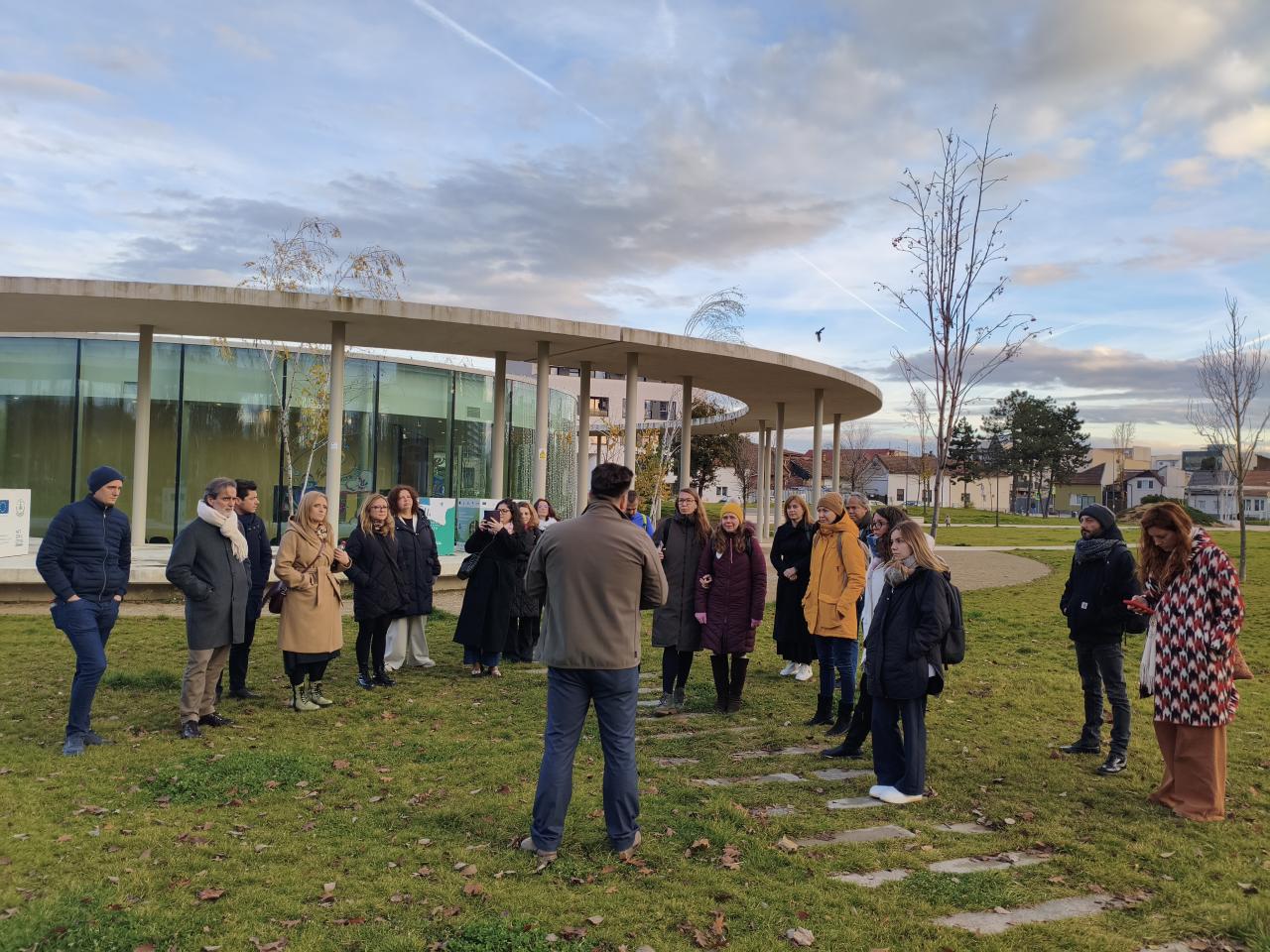
A subsequent session introduced the consortium to the transformation of Feroviarilor Park and the evolution of the adjacent Youth Pavilion. Once a neglected area, the park has been redesigned with upgraded paths, nature-based features, and recreational infrastructure. The Youth Pavilion has quickly become an active cultural venue, hosting a wide variety of events.
Participants discussed how these interventions are being monitored to assess their impact on perceptions of nighttime safety and how cultural programming can reinforce positive social dynamics after dark.
Data and Evidence: Understanding Safety Perception in Cluj-Napoca
The first day also presented to the participants the preliminary results of Cluj’s ongoing survey on perceived safety in cities’ neighbourhoods. Through an online questionnaire gathering demographic information, mobility habits, personal stories, and mapped insights, the city is assembling a clearer picture of how residents experience the public space.
Early findings show strong variations across areas, with Iris emerging as one of the neighbourhoods with the greatest perceived challenges. Gender differences are significant: women tend to report higher levels of fear and vulnerability, whereas men focus more on infrastructure and spatial organisation as key factors. The insights collected so far, underline that interventions should be co-designed in order to be more effective, and that data visualisation can play a key role in guiding decisions.
Workshop : meeting the people of Iris
To better understand the unique character of Iris and collect new suggestions, a participatory exercise invited partners to step into the shoes of two fictional neighbourhood residents—Maria, a long-term inhabitant, and Alex, a newcomer resident in Iris. Through empathy maps, the group explored how different personal histories and expectations shape perceptions of safety. While Maria’s view of the neighbourhood is rooted in decades of lived experience and emotional attachment, Alex’s impressions are more influenced by infrastructure, connectivity, and the overall coherence of the urban environment.
The discussion helped highlight the importance of tailoring interventions to different user groups.
Mid-Term Reflections: Cites’ Updates
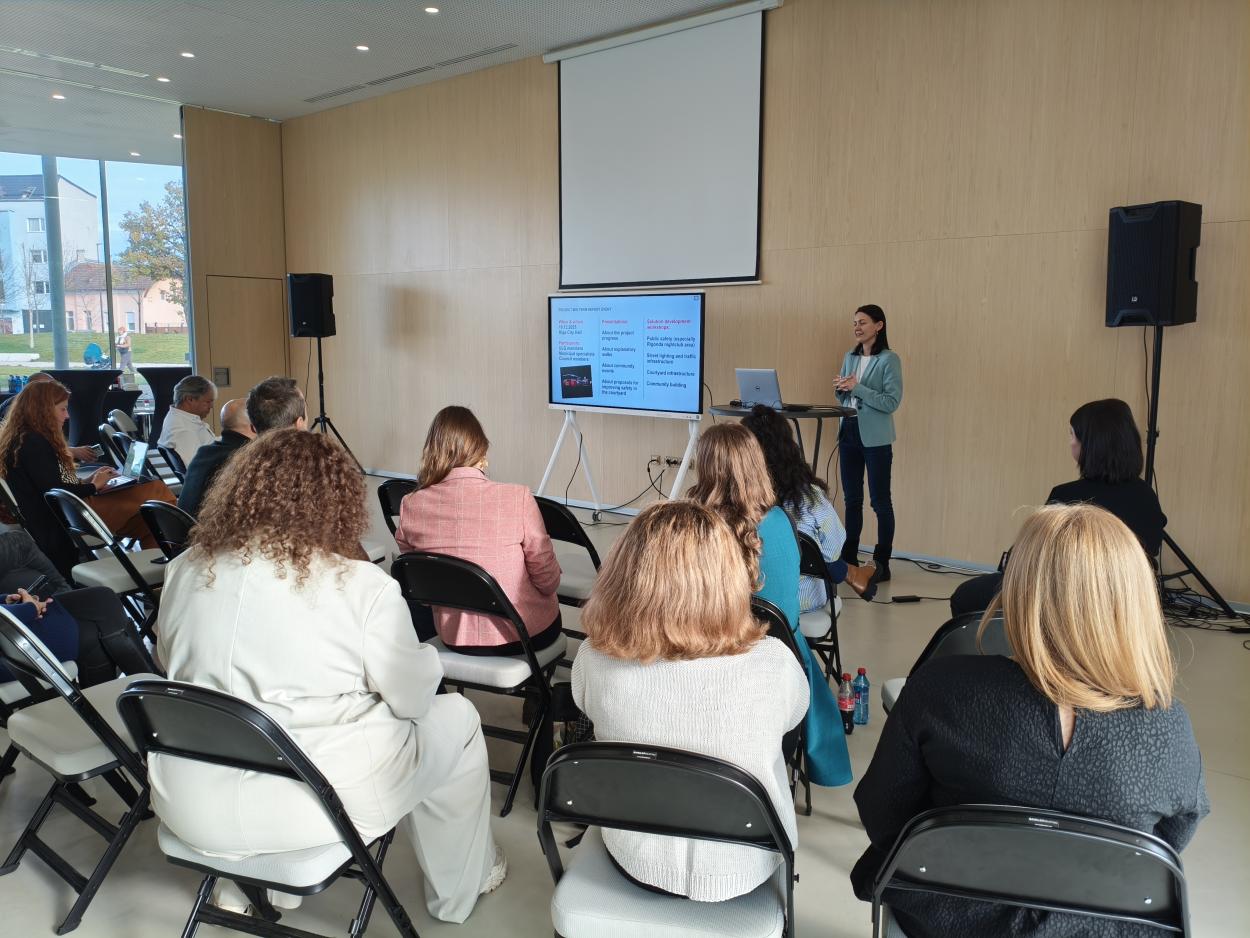
The afternoon session was dedicated to a comprehensive review of the project’s status. Partners shared specific progress, local methodologies, and the challenges faced implementing the 2NITE project in their respective cities.
- Sant Boi de Llobregat is redefining youth nightlife, moving beyond consumption to co-create a "healthy ecosystem" for community bonding. Their consolidated ULG is now translating their context analysis into concrete testing actions designed to foster social cohesion and improve the overall well-being of the community.
- Riga presented a vibrant contrast, showcasing a rich programme of on-the-ground activation activities aimed at making neighbourhood feel like home. These included Explanatory walks with different Focus groups, a range of activities under the umbrella of the "Archive of Cosiness" as well as, in partnership with the British Council and Education Initiatives Centre, training session and a hackathon to empower local activists, enabling them to develop and implement their own ideas. In overall the Riga team highlighted the ongoing challenge of engaging linguistically diverse groups and encouraging residents to move from passive observation to co-creation.
- Pentagono Urbano highlighted a governance shift using a LEGO-based methodology. This playful approach encouraged residents to move from demanding services to asking, "What can we do?" Simultaneously, they are finalizing an investment plan in close collaboration with the municipalities of Braga and Famalicão.
- Torino is connecting the 2Nite project with other local initiatives—such as ImpatTO and YCAF—to build a unified framework for working on public space. By linking these projects, they aim to build a unified framework for urban transformation, prioritizing common data indicators to measure the actual impact on public space.
- Cluj-Napoca outlined its ambition to forge a renewed identity for the Iris neighborhood. Inspired by Turin’s storytelling approach, they are using narrative to empower residents, strategically aligning the ULG, authorities, and NGOs to create a unified safety perception plan for the district.
This session revealed the diversity of approaches across the network, while also uncovering shared challenges such as mobilising communities, securing funding, and coordinating multiple municipal departments.
Partners then discussed what they need to successfully move into the next phase. Common challenges included navigating municipal bureaucracy, understanding funding mechanisms, and ensuring continuity once the project ends. Participants expressed interest in learning more about innovative financial tools, prototyping methods, and approaches to animating public spaces.
Day 2: Exploring Cluj’s Innovation Ecosystem
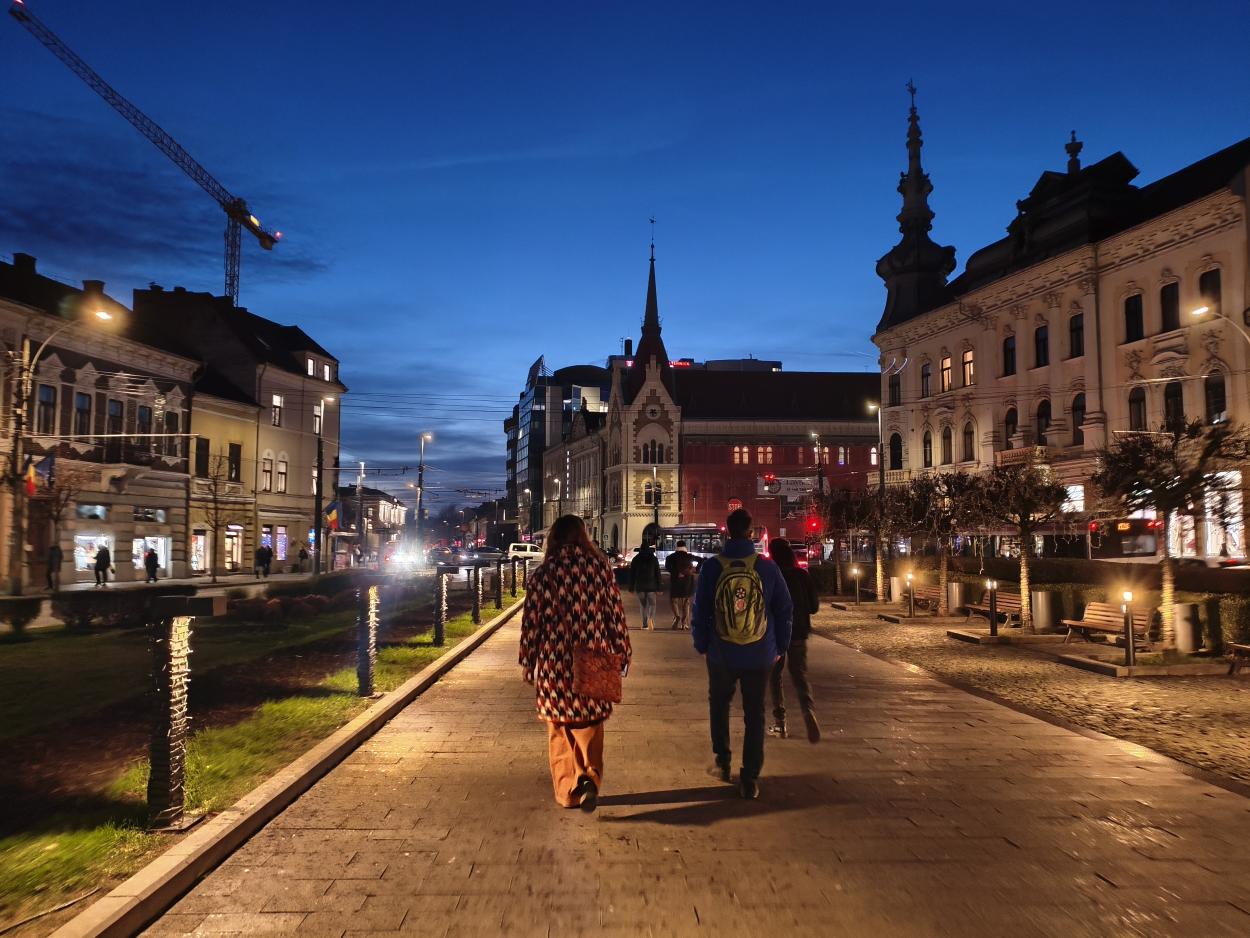
The visit to the City Science and Innovation Center (CISO) opened the second day, featuring an in-depth presentation by Alida Cunneen from the Education Cluster Association (C-EDU). Founded in 2020 through a partnership between the state university, the school inspectorate, and the Transylvania Foundation, C-EDU operates at the heart of Transylvania to foster an ecosystem driven by innovation and communication.
Partners learned how the cluster acts as a centralized hub for expertise, uniting NGOs, private entities, and academic institutions to provide opportunities like student employment and mentorship. The visit highlighted the CISO Platform, a tool used to map local skills and connect students with experts—a crucial resource for initiatives like the digital safety camp. The presentation also showcased community-driven projects such as Problemathon (Cod Uman), which amplifies youth voices; Healthy Wave, promoting healthy nutrition; and the Rural Urban Hub, aimed at bridging regional gaps.
The session included a tour of the facility, which serves as a 'safe space' for international exchanges, ULG meetings, and other organizations. The venue reflects a commitment to well-being and collaboration, offering flexible resources ranging from conference areas to a dedicated wellbeing room and kitchen.
Administrative and Financial Updates
The team from Torino, as lead partner, then walked the participants through key administrative aspects. A set of ad hoc experts will support the different cities during the next period, focusing on investment plans, continuity strategies, gender-sensitive planning. Important deadlines were reviewed, including the delivery of draft plans in early 2026 and the final financial closure in autumn 2026. This session helped clarify responsibilities and expectations for the months ahead.
Group Discussion: Activities and Budgeting
The final session focused on the practicalities of implementation. Cities gathered in groups to outline their main upcoming activities and begin defining their funding strategies, with a clear directive to identify precise costs and sources for their investment plans.
- Riga described its will to future investments in community training and mobility infrastructure, as well as the role of participatory budgeting.
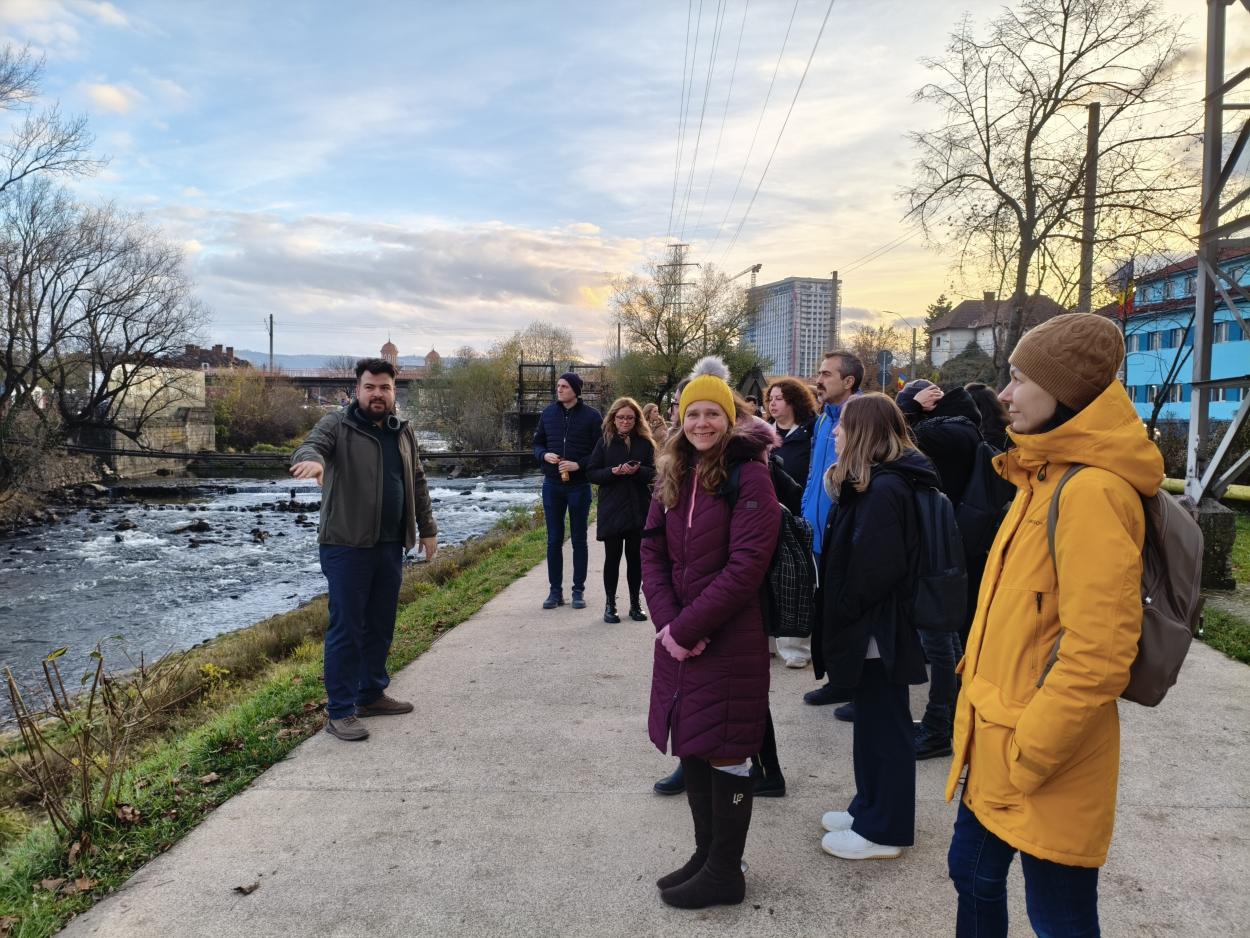
- Cluj-Napoca outlined the necessity to small-scale but high-impact actions in Iris, such as riverbank improvements and the development of community gardens, aligned with wider municipal transformations.
- Pentagono Urbano focused on social challenges and the revitalisation of vulnerable neighbourhoods, estimating significant investments for the long term.
- Sant Boi de Llobregat discussed ongoing urban regeneration projects, including a new park and library, and further youth engagement initiatives.
The discussions reinforced that while each city operates within a distinct financial landscape—ranging from small-scale grants to multi-million euro infrastructure funds—all share the need to secure sustainable resources to ensure continuity beyond the project’s lifespan.
Conclusions
The Cluj-Napoca meeting provided a valuable opportunity for partners to gather together, reflect on their progress, and realign their ambitions for the second half of the project. The exchanges highlighted how perceptions of safety are shaped by lived experience, gender, culture, and the quality of infrastructures on public spaces. They also underscored the importance of participatory methods, cross-sector collaboration, and the integration of data into urban decision-making.
Partners left with a clearer vision of their specific next steps, a stronger sense of shared purpose, and a renewed appreciation for the diversity of contexts across the network. Cluj’s example—particularly the transformation of Feroviarilor Park and the emerging identity of Iris—illustrated how urban improvements and cultural programming can gradually build trust, belonging, and a greater sense of security in public spaces.