
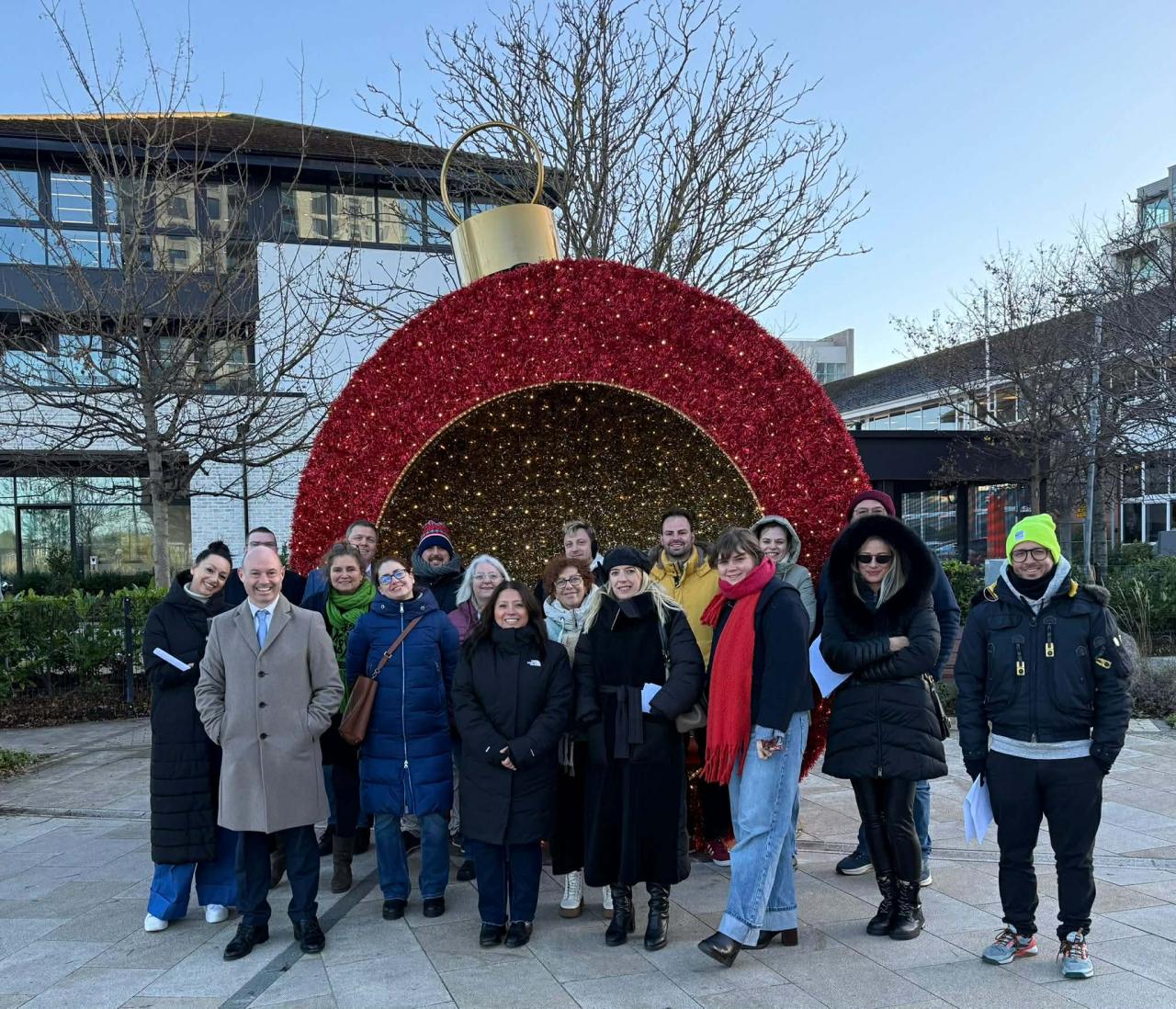
Sandyford: The Network’s Strategic Turning Point
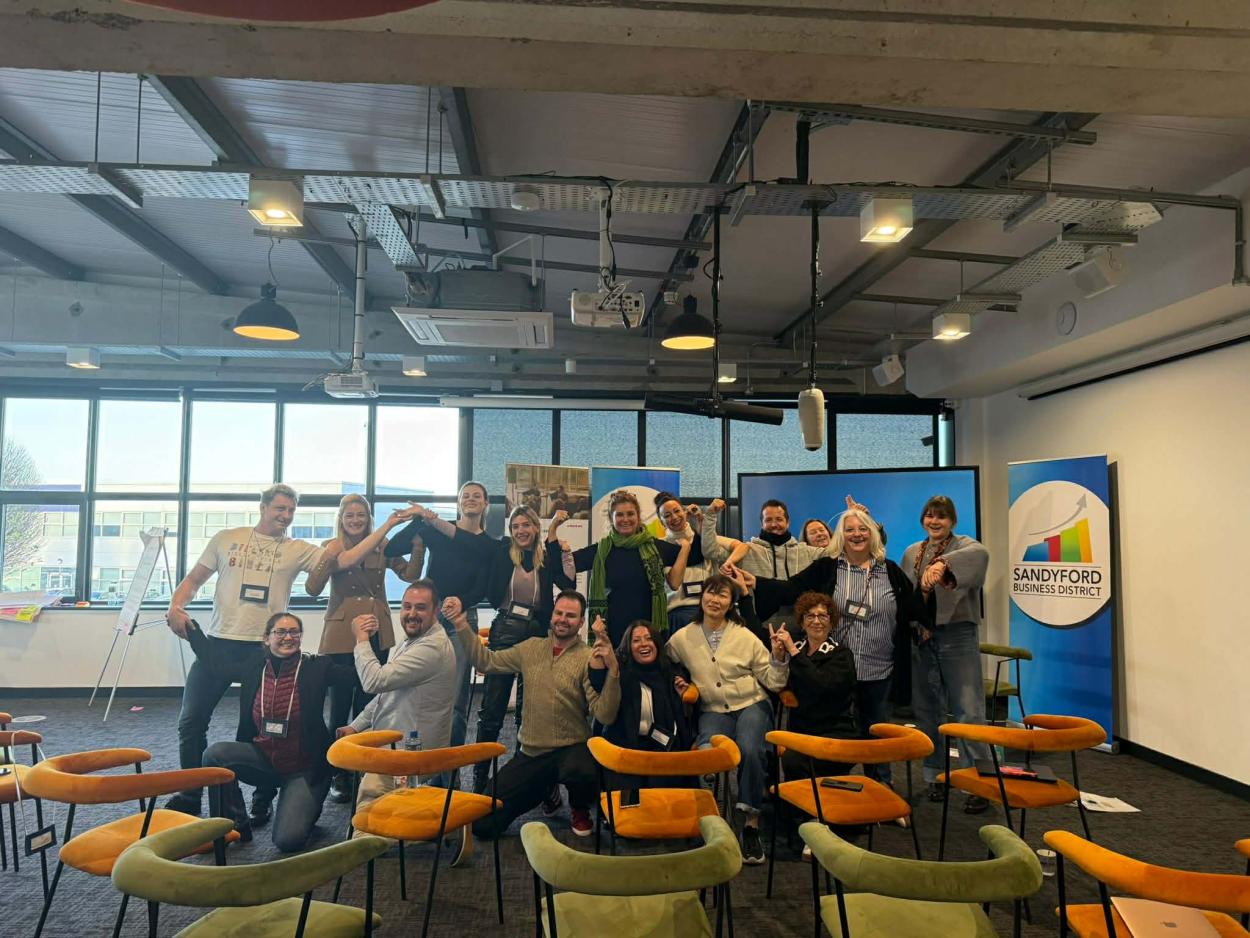
The journal opens in Sandyford Business District (Ireland), where partners gathered for a two-day meeting blending strategic thinking with hands-on practice. This was no ordinary workshop — it was a pivotal moment in the network’s evolution.
Mid-term reflection
Cities assessed the state of their Urban Local Groups (ULGs), the quality of their engagement processes, the progress of their Testing Actions, and the challenges they repeatedly face.
This honest, collective diagnosis strengthened the sense of direction across the network.
From ideas to numbers: the Costing Estimation Challenge
Here, partners learned to give their ideas a financial backbone: breaking actions down into realistic cost components and understanding what changes when a small pilot scales.
A reminder echoed through the room: A good plan begins with a credible budget.
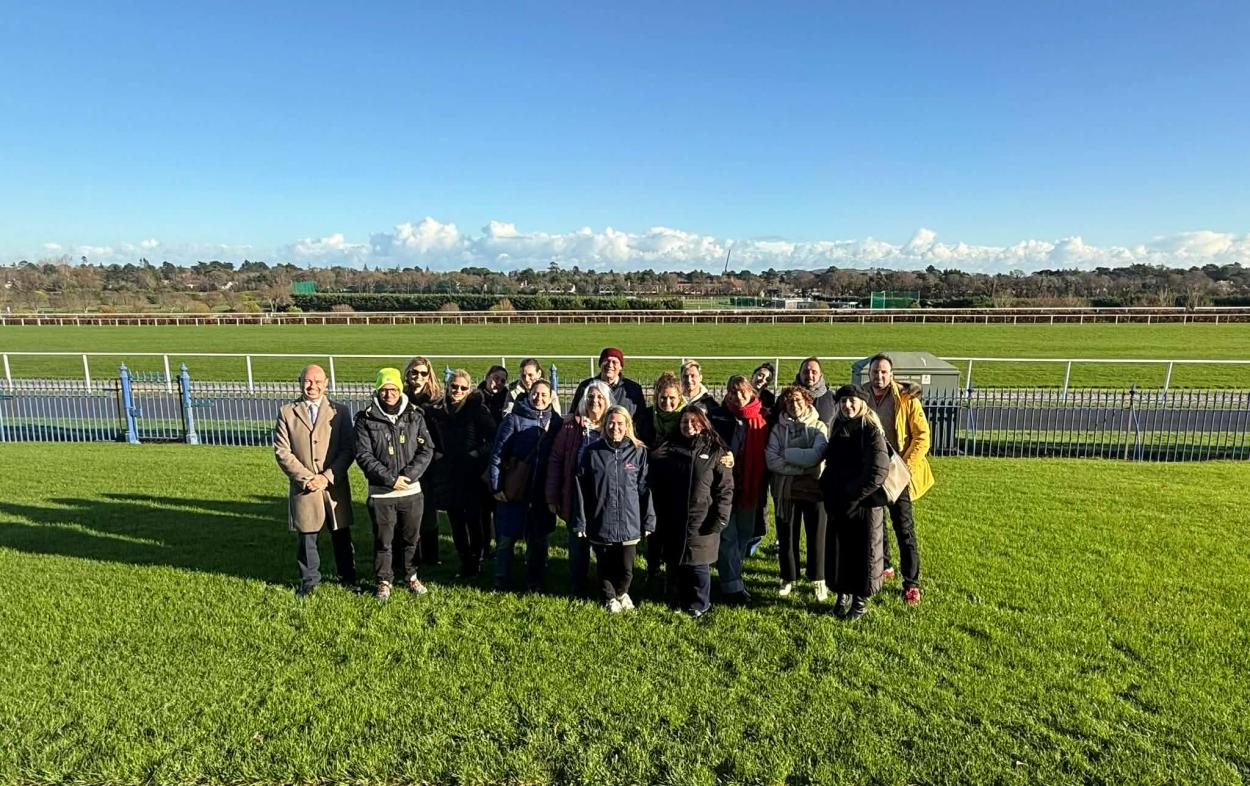
Funding Matrix Workshop
Using “funding cards,” partners mapped out their ideal financial mix across EU programmes — an eye-opening exercise that surfaced unexplored funding opportunities and shared past successes.
Digital engagement with Alisa Aliti Vlašić
This session highlighted how digital tools can widen cultural participation and strengthen neighbour-to-neighbour connections — essential in places experiencing fragmentation.
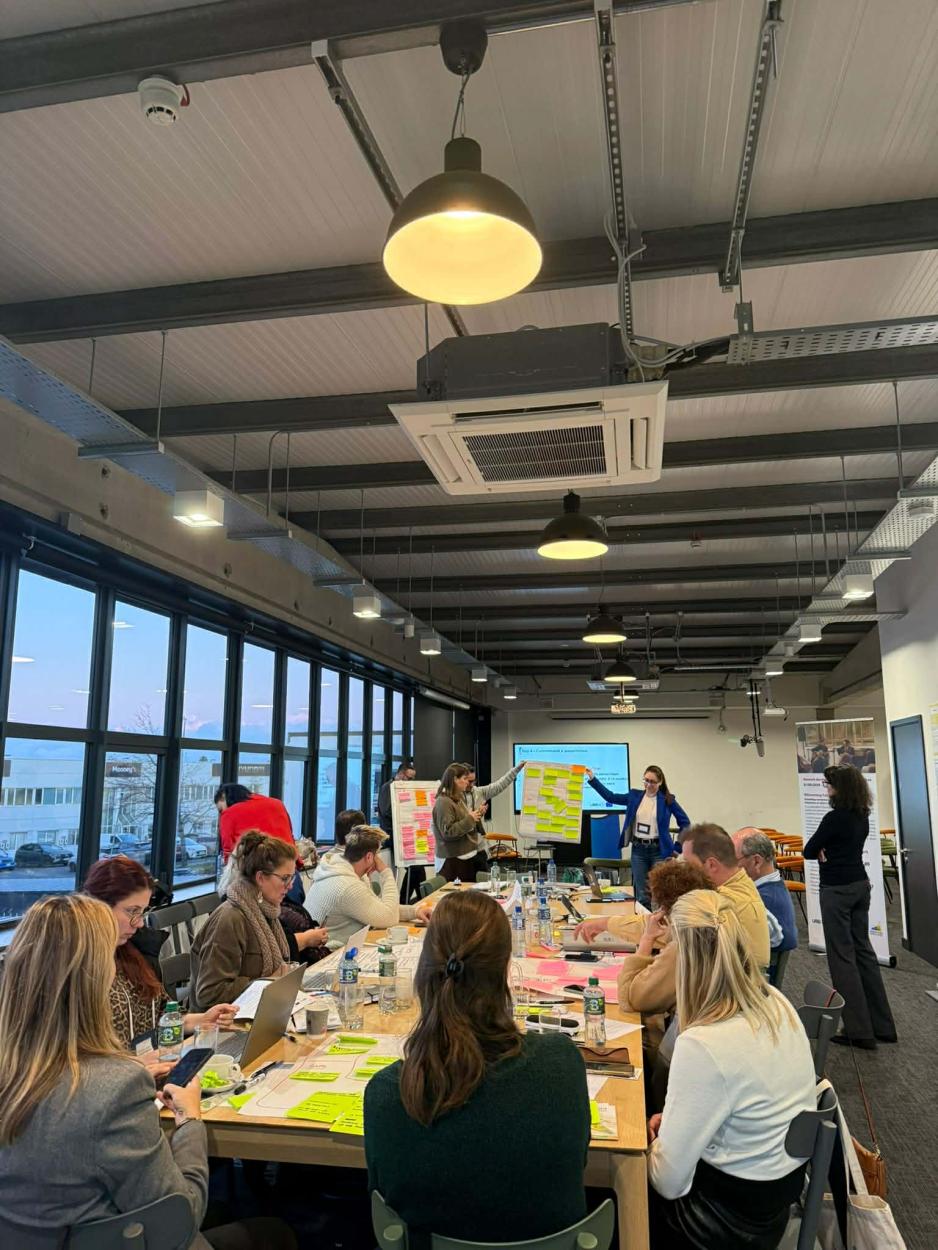
Strategic planning: the climber technique
By working backwards from June 2026, cities learned to build roadmaps anchored in milestones, responsibilities and decision points — a practical method that transforms long-term ambitions into actionable steps.
 | 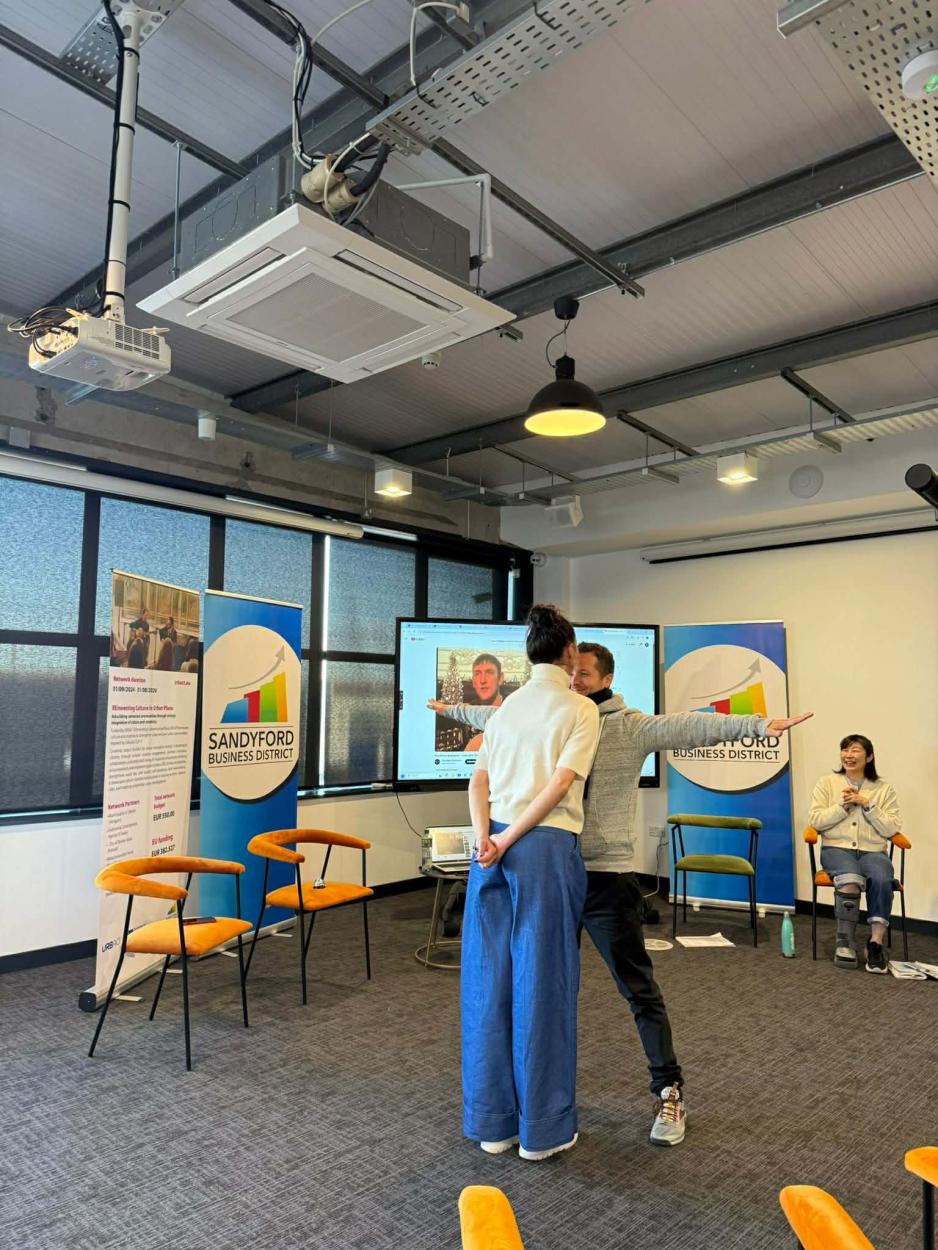 |
Storytelling: giving cities their narrative spine
A powerful workshop helped partners discover how narrative clarity strengthens both community engagement and investment planning.
Because a good Investment Plan tells a story that mobilises people.
Testing Actions: Six Cities, Six Experiments, One Shared Goal
Across the network, Testing Actions serve as cultural “laboratories” where cities explore how creativity can rebuild social bonds. The journal presents a rich variety of pilots — different in form, but united in purpose.
Bielsko-Biała (Poland): battling loneliness with creativity and nature
Using Slavic mythology, illustration workshops and a “Loneliness Tree,” the city is reconnecting young people with local spaces and each other.
Dubrovnik (Croatia): reclaiming culture beyond tourism
At the former TUP factory, an entire cultural micro-festival brought residents together through creative workshops, a Human Library and storytelling activities. A strong signal: this space is for locals too.
Újbuda (Hungary): advent as a community catalyst
Daily December events — 20+ events and a pop-up community space — tested how a dense programme can mobilise families, seniors, teens, volunteers, and local partners.
Mancomunitat de l’Horta Nord (Spain): building a shared cultural identity
Ten municipalities co-created Cultura Horta Nord, a digital platform unifying communication and showcasing local life. A milestone in overcoming fragmentation.
Sandyford Business District (Ireland): storytelling for social cohesion
Residents with international backgrounds shared personal stories of belonging. The event revealed valuable insights into building community in highly diverse districts.
Amersfoort (Netherlands): early prevention through “buddy” support
Maatjesfoort pairs volunteers with vulnerable residents. Improvements in wellbeing appeared rapidly — offering a compelling model for future investment.
Together, these experiments show how culture becomes a social engine: small gestures, shared activities, creative interactions — all weaving the threads of community back together.
Grants and Beyond: Rethinking Cultural Funding in Europe
One of the most insightful parts of the journal is the recap of the Masterclass on cultural funding — a crucial topic for cities eager to sustain their cultural ecosystems beyond short-term subsidies.
Culture as an investment
EU programmes such as Creative Europe increasingly link culture with climate goals, wellbeing, youth engagement and territorial cohesion.
Cities must articulate how their cultural work creates social impact, not just cultural activity.
Hybrid finance models
Insights from the CLIC project showed how public grants, private impact investment and community crowdfunding can work together — but only if cities measure social returns such as reduced loneliness or strengthened networks.
Learning from Zurich, Milan and Almería
Zurich tested new funding tools that transfer decision-making power to cultural communities.
Milan showed how companies can contribute non-financial resources — expertise, equipment, volunteer time.
Almería embedded culture into urban regeneration through the “Civic Curators” model.
All three cases demonstrate that cities can evolve from being funders to being platforms for cultural ecosystems.
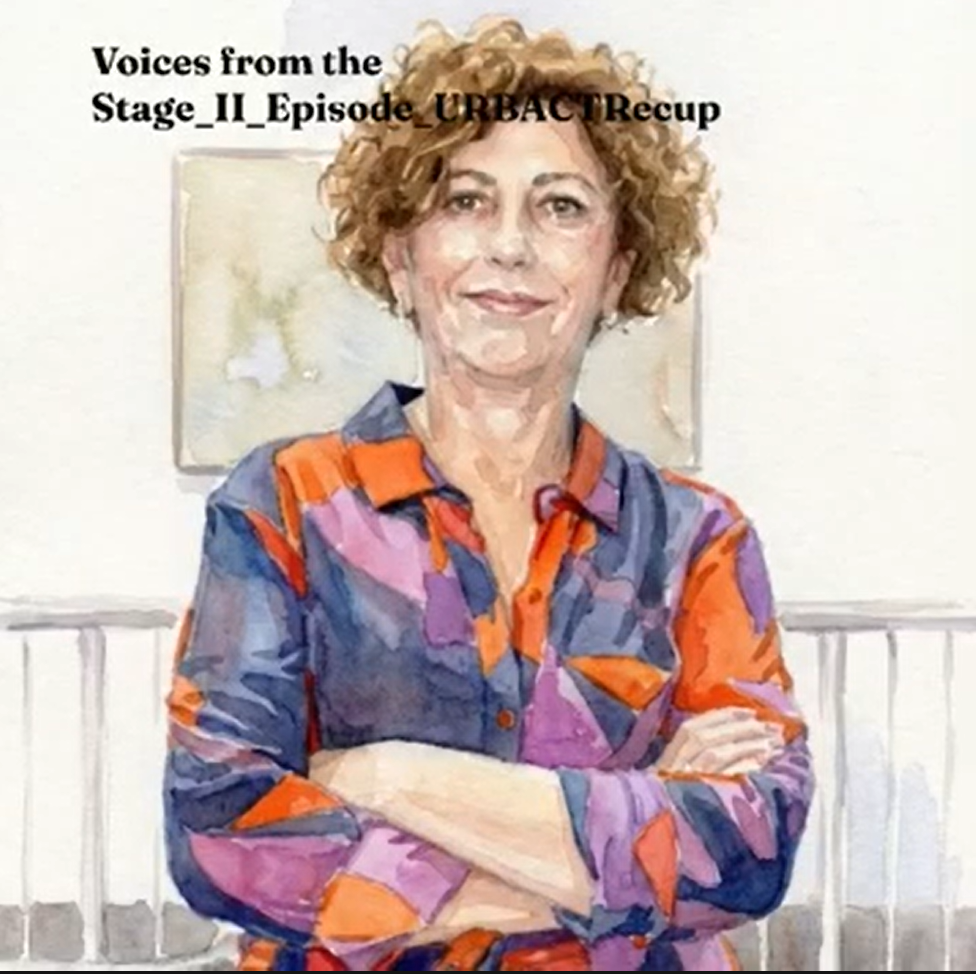
Voices from the Stage: Alicia Piquer’s Perspective
The journal’s podcast spotlight features Alicia Piquer, Deputy Mayor of Rafelbunyol.
Her reflections bring the human side of RECUP into focus:
the emotional weight of loneliness in small towns,
the power of local heritage,
the role of music bands, associations and libraries in fostering belonging.
Her voice reminds us that RECUP is not only about strategies and tools — it’s about people craving connection, and leaders committed to making that possible.
Methodology and Tools: The Backbone of the Adapt Phase
To transform experiments into evidence, the network used a set of structured tools:
Costing Estimation Challenge
Funding Matrix
Climber Technique
Storytelling frameworks
Backcasting roadmaps
Templates for measuring impact
These tools ensure cities don’t just “do activities” — they learn, measure, and plan.
What’s Next for the RECUP Network?
As the journal concludes, the network now shifts from experimentation toward consolidation:
upcoming Masterclass on loneliness,
transnational peer review sessions in Paris,
and another in-person meeting in March.
The work continues — deeper, more strategic, more interconnected.
A Closing Thought
The RECUP Network shows that culture is much more than events or festivals. It’s a public good, a social connector, a tool for healing in increasingly fragmented urban worlds.
Every workshop, every shared story, every small local experiment is a brick in a new kind of infrastructure —
an infrastructure of trust, belonging and creativity.
The original Network Journal was written by Elisa Filippi, Lead Expert and can be read here.