Learning together: how cooperation shaped a common vision
What changed was not only what cities learned, but how they learned it. Through Local URBACT Groups, from local experts across health domains, and numerous transnational exchanges, the network created space for cities to test ideas, question assumptions, and gradually align their understanding. Experienced cities learned just as much as those at earlier stages. Smaller municipalities influenced larger ones with grounded, small-scale and easy implementation approaches, while bigger cities helped translate One Health into strategic and policy-level action.
Over time, a shared vision of One Health for Cities emerged:
- One Health recognises that the health of humans, animals, plants, and the environment is closely linked and interdependent.
- One Health emphasises non-anthropocentric values, serving not only humans but all living beings and ecological systems with equity and justice.
- One Health offers a shared language and framework across traditionally fragmented departments and promotes policy coherence, resilience, and participatory governance.
- One Health enables cities to move from reactive to regenerative systems, co-creating urban spaces that promote health, inclusivity, and sustainability.
This shared vision did not arrive overnight. It took time, trust, and repeated conversations, but it became the foundation for action.
From understanding to action: what cities are doing differently today
When we started, health was addressed mainly through public health services with highly anthropocentric views. Nature restoration and climate adaptation were managed separately from public health, rarely bringing any interconnected approach, joint conversations and combined interventions. While now One Health acts as a common denominator, not a new silo. Cities learned that One Health only works when it is transversal, when ecology, biodiversity, urban planning, public health, social inclusion, and education see themselves as co-designers, co-owners of the city.
Concrete examples from the network show this shift clearly:
- Strasbourg Eurometropolis adopted One Health at a policy level and developed a roadmap for implementation.
- Lyon and Munich integrated One Health into their public health strategies, developing flagship projects to guide implementation of One Health with concrete projects.
- Lahti expanded its Nature Step to Health programme, embedding One Health into long-term strategies and adding environmental education and healthy diet initiatives.
- Kuopio adopted One Health as an umbrella topic across the city strategy.
- Elefsina is creating food-growing educational spaces in all nursery schools and scaling them up to the neighbourhood level.
- Benissa integrated One Health into active ageing, social prescribing, sustainable tourism, and environmental protection from mountains to coastlines and underwater ecosystems.
- Loulé embedded One Health into informal sports programmes, promoting outdoor physical activity in balance with environmental protection and social equity.
- Suceava expanded green space programmes through a One Health lens while aligning with its zero-carbon mission as one of Europe’s Mission Cities.
In each city, the newly adopted Integrated Action Plans will become a vehicle for long-term change, not just pilot projects, but steps towards sustained transformation.
Key lessons: what cities discovered along the way
One Health 4 Cities showed that One Health implementation is possible for cities, adapted to local context and possibilities.
First, One Health works best as a planning model, not an add-on. When treated as an “extra”, it feels like a burden. When embedded into strategies and policies, it becomes a powerful design tool.
Second, it takes time to build a shared understanding. Tailored communication is essential: what resonates with politicians may differ from what engages citizens or technical experts. Cities learned to develop different narratives for citizens, and evidence-based frameworks for internal teams, highlighting benefits and the cost of inaction.
Third, learning flows in all directions. Every city already practices One Health in some way. Bringing these practices together across contexts, scales, and cultures creates a rich European learning ecosystem where One Health can be adapted, not copied.
Fourth, small-scale testing matters. Cities new to One Health benefited from starting with neighbourhoods, schools, or green spaces, learning from these “pockets” before scaling up to city-wide investments.
Finally, One Health demands a non-anthropocentric lens. Cities must be designed not only for people, but for all living beings. This requires expertise, but also a commitment to gender equity, social inclusion, and justice, leaving no one, human or non-human, behind.
What One Health 4 Cities offers to Europe
Beyond local change, the network produced concrete outputs for other European cities:
- A practical guidebook
- 15 urban case studies
- 142 One Health tips
- 19 tools supporting implementation in strategies, policies, and projects
Together, these resources show how One Health can be translated into action across different city sizes, governance models, and priorities. They demonstrate that One Health is not one solution, but many pathways adaptable to diverse European urban realities.
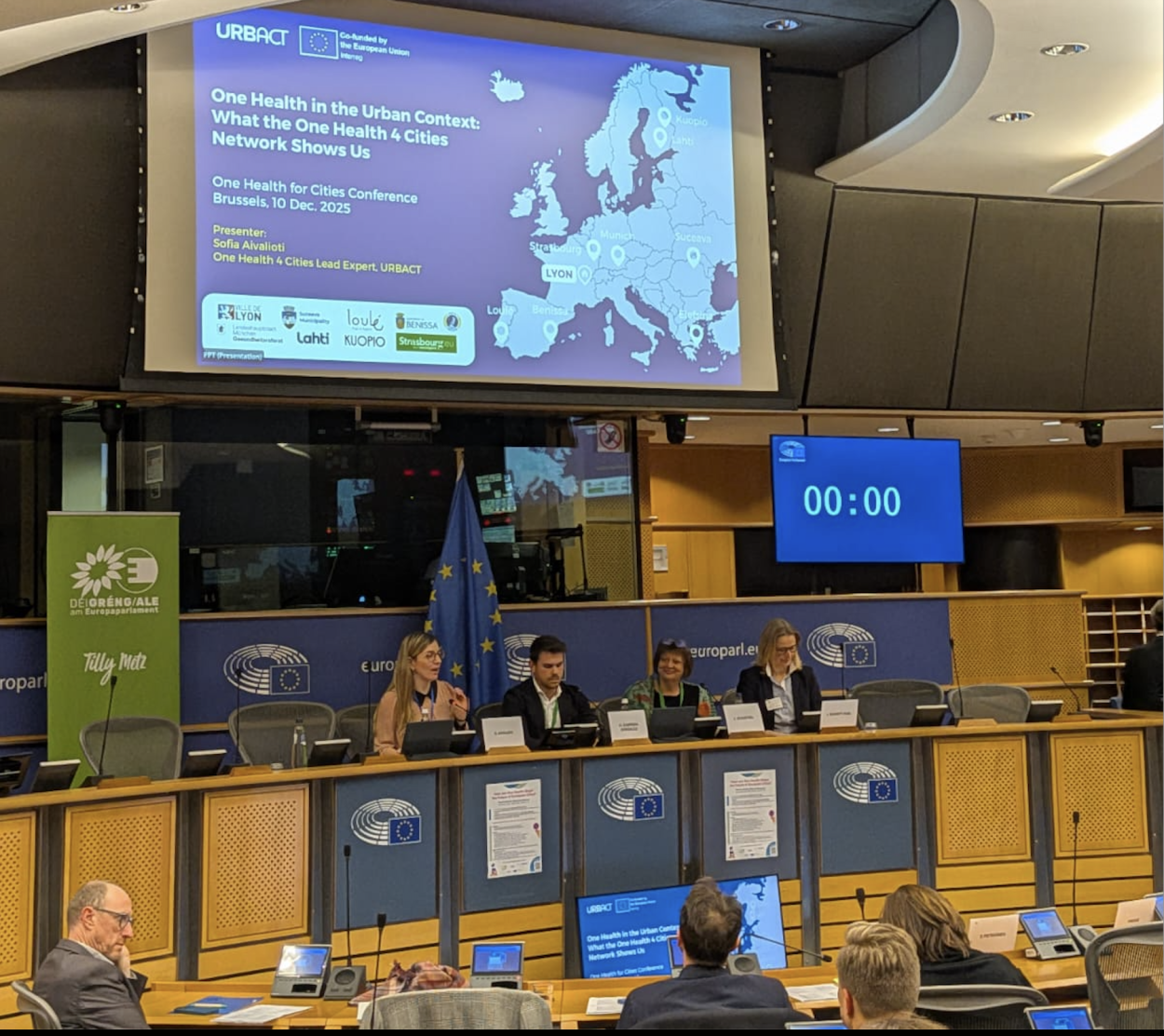
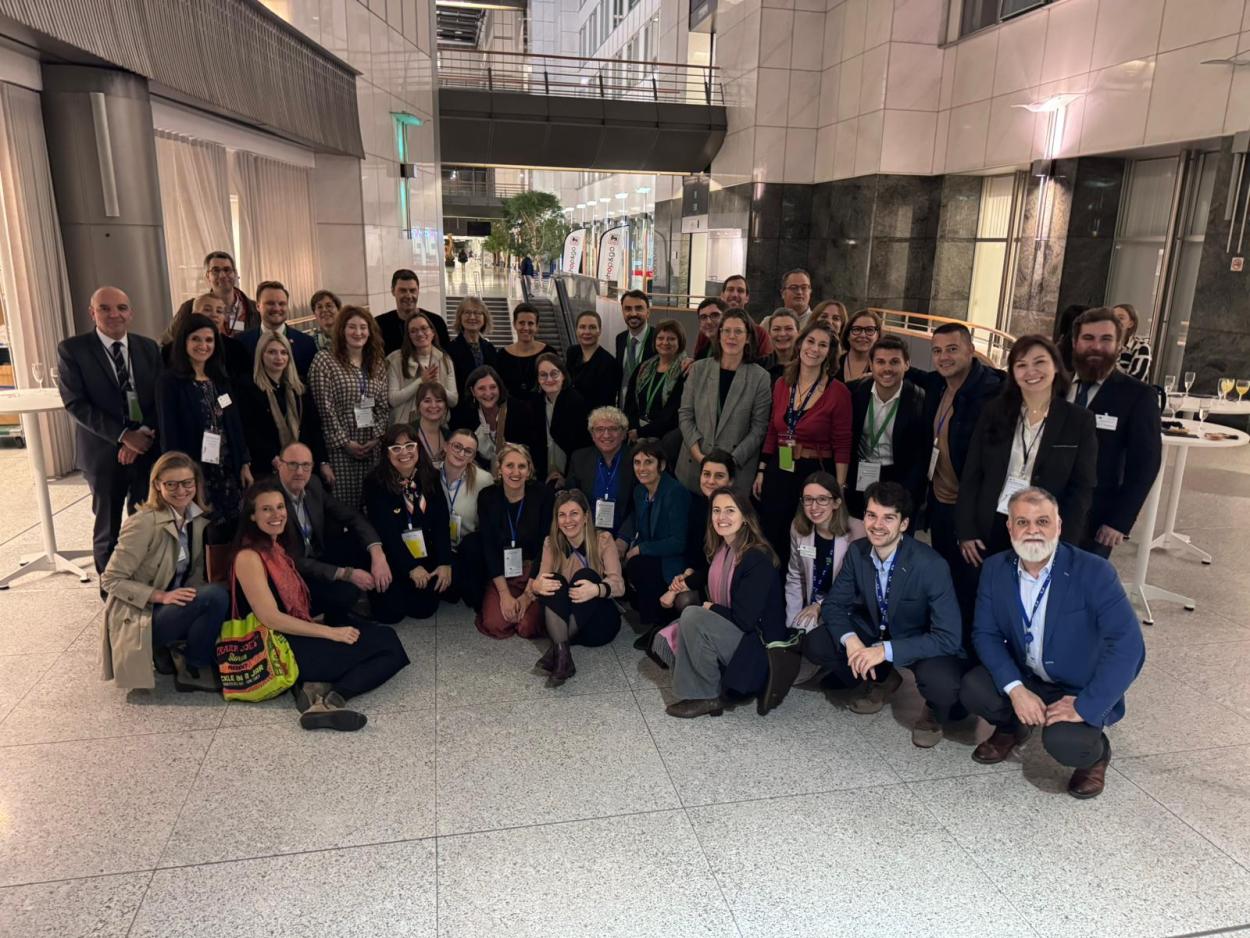
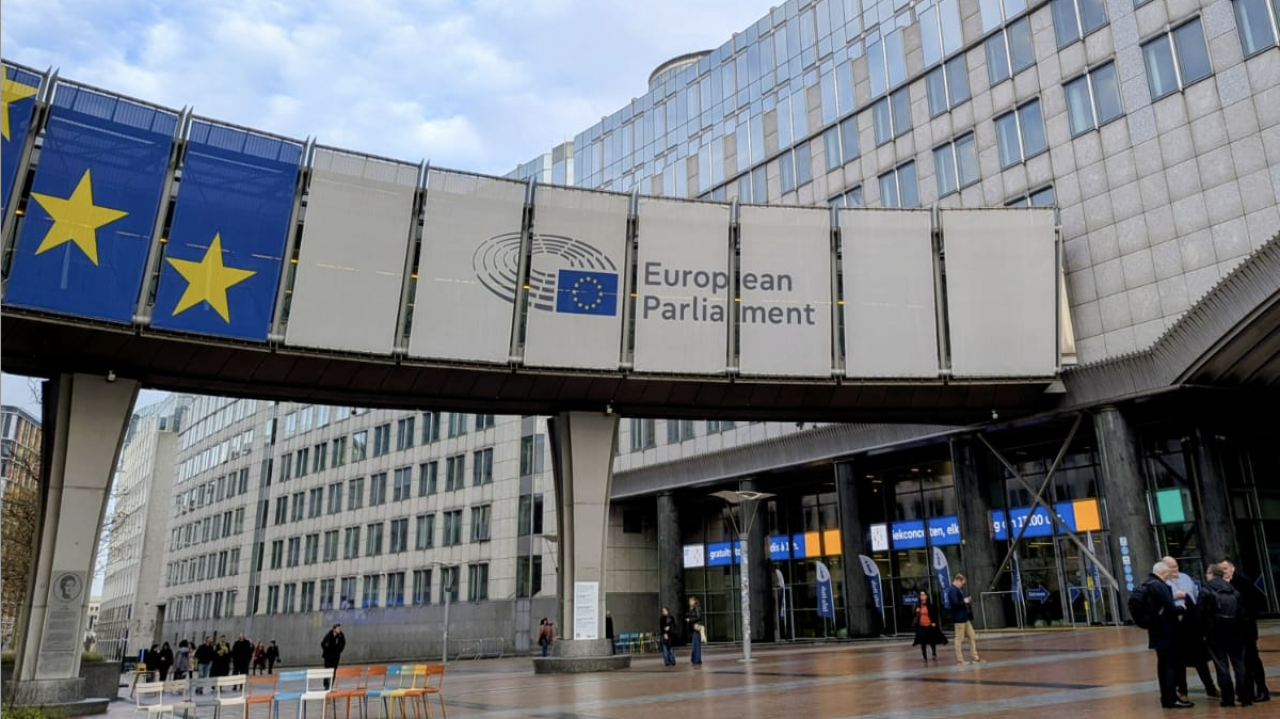
In parallel, the network organised a high-level conference in Brussels, advocating for positioning One Health as a strategic priority at the European Union level. Through dialogue at the European Parliament, key decision-makers acknowledged that One Health must be further prioritised and operationalised, not as a theoretical concept, but as a common goal and everyday practice for local governments across Europe.
To fully realise the One Health transition, the European Union must enable and empower cities by:
- Positioning One Health as a strategic priority across all EU policies and investment instruments
- Strengthening city involvement and access to funding, ensuring governance mechanisms and resources that support integrated action
- Developing local capacity through coordinated scientific support, harmonised data, shared knowledge, technical assistance, and citizen engagement
What’s next: from network to movement
On 7 April, world leaders and worldwide cities, led by the OH4C partnership, will meet in Lyon for the One Health Summit and will build on the Call for Action delivered during the One Health for Cities Conference in Brussels. The call has already been signed by 15 cities. Together, cities will advocate for stronger European investment, commitment, and leadership in One Health, positioning it as a priority for the future of urban development.
What began as a learning network is becoming a movement.
Thank you to all the politicians, experts, managers and citizens who made this network a very meaningful experience and helped lay the foundations for the One Health approach in cities.
On the network's website, you can access the Guidebook, the Toolbox, the Integrated Action Plans and all knowledge and news generated by the network since 2023.