Now, we have a clear strategic plan of action
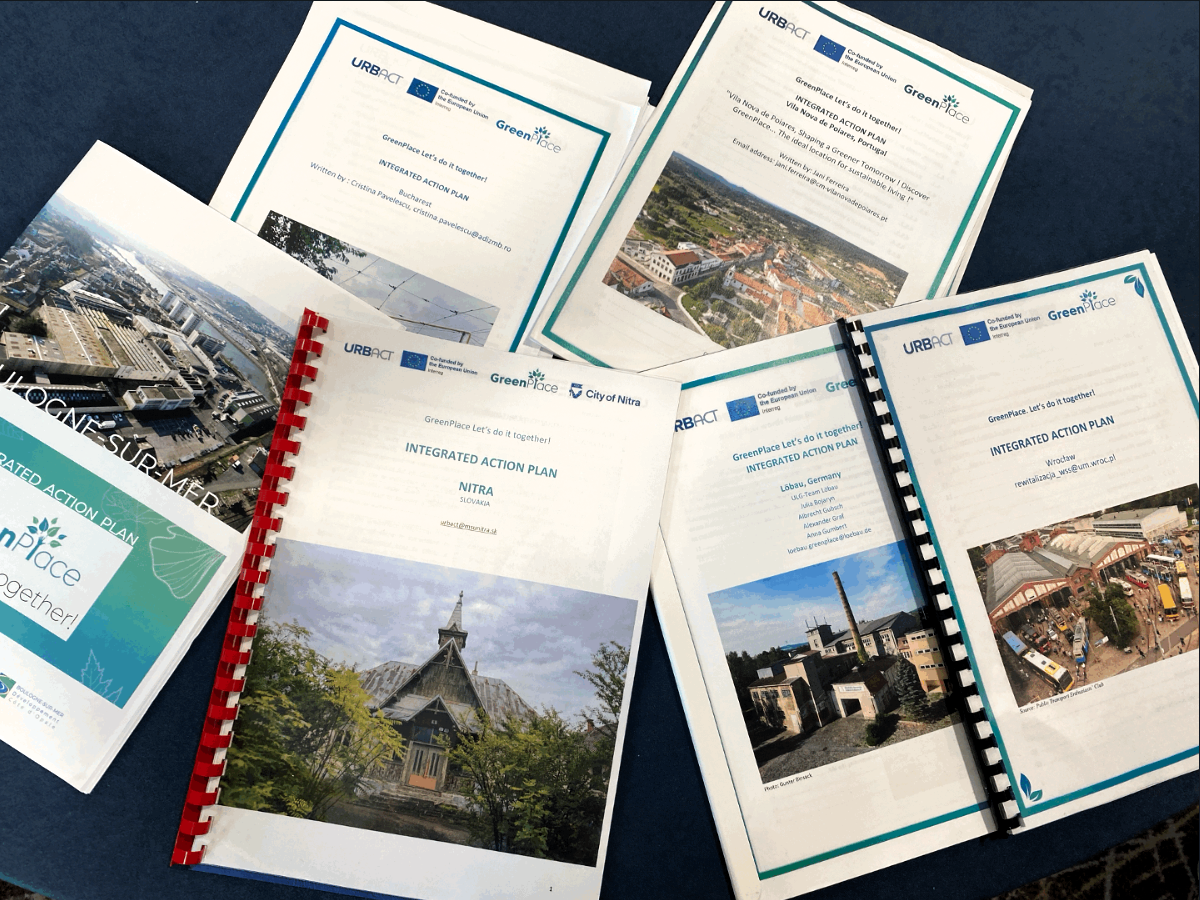
For the partners of the GreenPlace network, the most valuable aspect of the project was the Integrated Action Plan, which was new to all of them. Even though the process was highly challenging for many of them, it enabled them to become more structured in their thinking and more strategic. It also now provides them with a clear roadmap and concrete set of actions for revitalising the abandoned sites.
Experts were needed to support cities
For this, partners welcomed the expert support provided, both by the Lead Expert – for the entire journey, guiding through the URBACT journey, ensuring links and matches are made between cities, valorising the cities, holding hand when need was - and Ad Hoc experts – for specific themes and in particular for the design of the Intervention Logic and drafting the Integration Action Plan. This was key to support cities’ step-by-step progress throughout the network journey.
It’s all about transnational exchange and learning
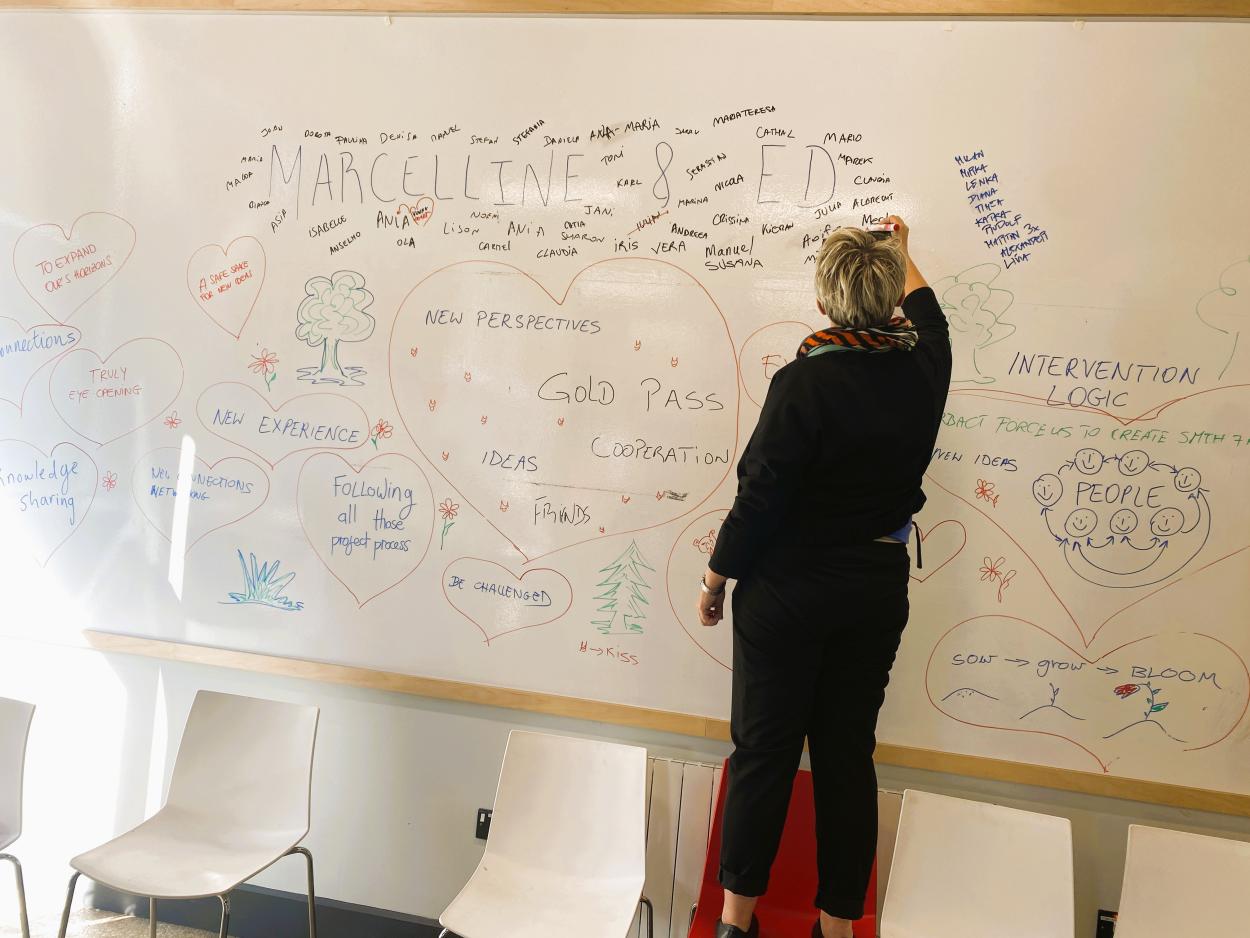
The IAP could not have been drafted without learning and exchanging from each other. Partners not only enjoyed the partnership, human connections but also benefitted strongly from shared inspiration, lessons, practices and ideas. They could also witness that they were not alone: they could exchange in a safe space and also be challenged.
Cities engaged with local communities to find local solutions
Communities were at the local of the projects, not only because they were part of the compulsory URBACT Local Groups (ULG), but also they were critical to revitalise previously abandoned sites that were often forgotten by them. Cities gave a high importance in maintaining stakeholder involvement, for example through the set-up of an URBACT Implementation Group in Limerick.
URBACT also helped foster political interest and engagement with the future of the sites, and a political commitment was even signed by elected representatives.
Let’s go and look for funding!
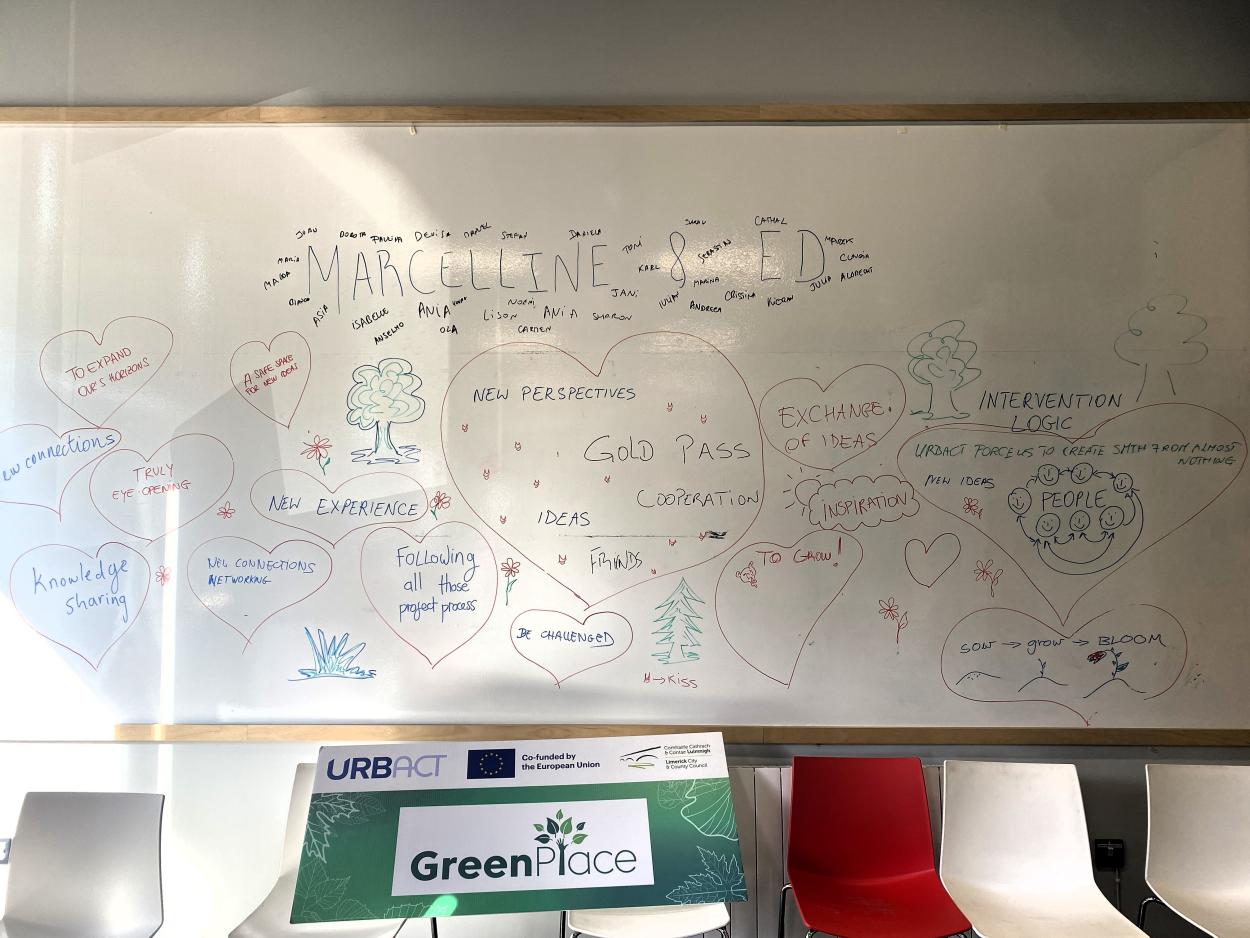
The Integrated Action Plan has helped many partners mobilising funding and preparing funding applications. They saw it as “the golden pass” as well as a “trigger to make it happen”.
GreenPlace Partners are changed forever
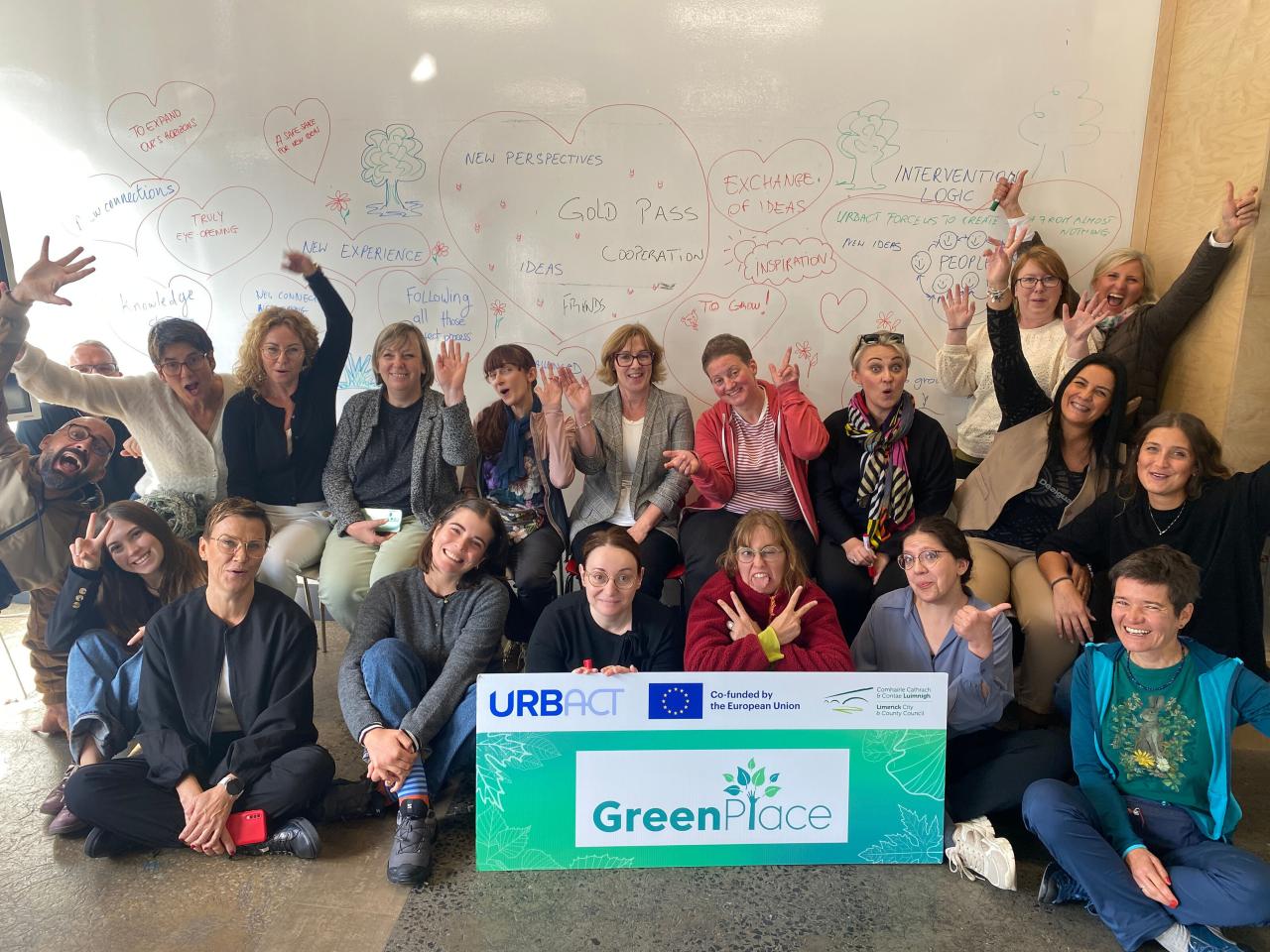
The participants to our last meeting shared the way the whole process had been “truly eye opening” and “provided new perspectives”. They felt they had grown from this experience and that they now have a network of EU connections that will last, true GreenPlace friends.
Article written by Marcelline Bonneau on 12/11/2025