
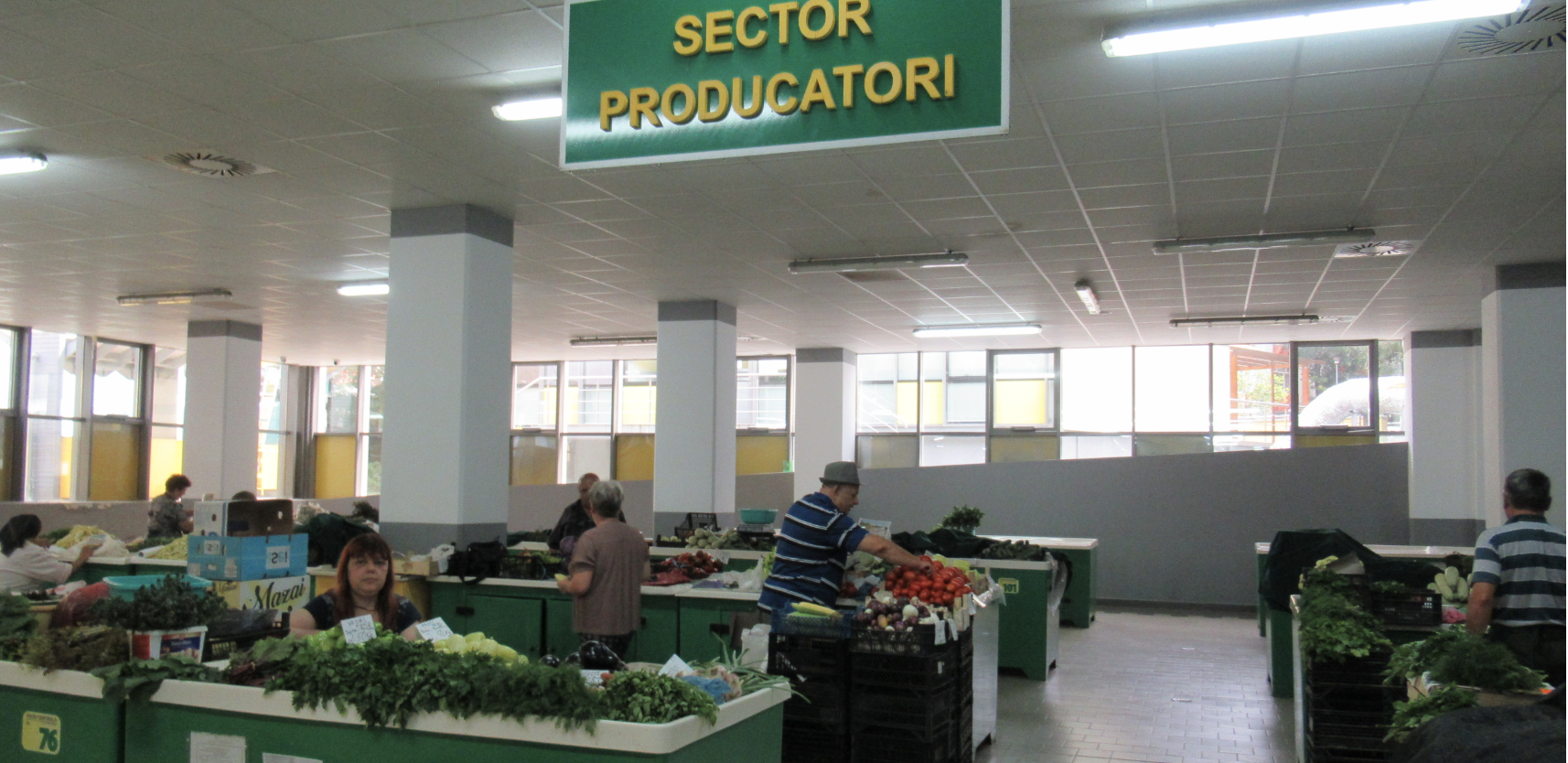
How does your food get into your plate?
The way food is distributed in a city reflects largely its relation to the food ecosystem. Cities can improve access to (sustainable) food to all its citizens by diversifying its selling points developing retail entities, markets, cooperatives and other forms of food provision. Short food supply chains can also be a way to empower actors and make territories (more) resilient.
Check below some city cases when it comes to food distribution.
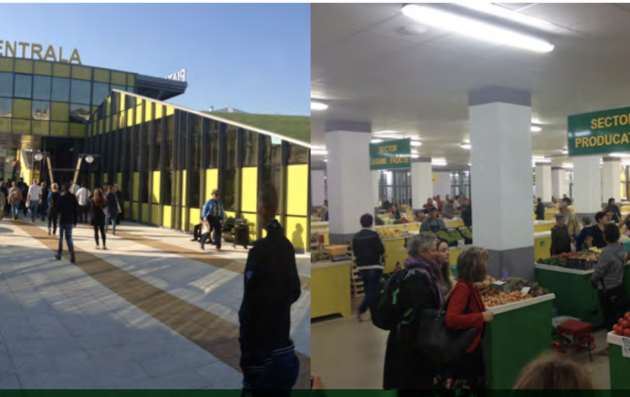

Vaslui (RO)
A Municipality Central Market with designated areas for local producers in order to support them and to help consumers choose between local and foreign products.
Lyon (FR)
Super Halle food market.
Pays des Condruses (BE)
Food hubs the next step in the re-territorialisation of food systems.
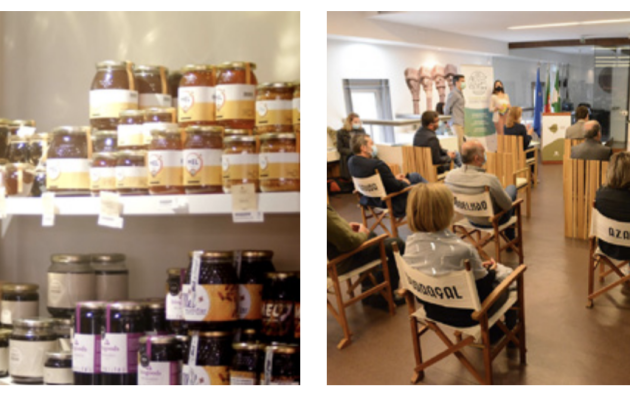
Amarante (PT)
Dolmen, the selling point and much more.
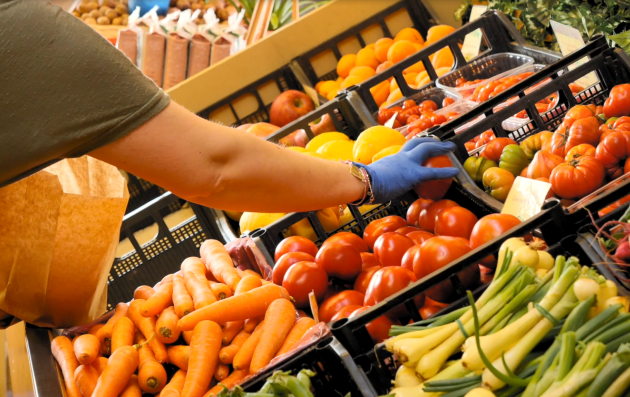
Ravenna (IT)
The power of short food supply chains: shortening distances to reduce uncertainty in the province.