How to ensure local and sustainable food production?
In order to support the transition to more sustainable local food ecosystems, many cities have sought to modify the way they produce their food - for example, by making it more local and reducing direct transport, by introducing new planning measures and land-use rules, transitioning to organic production, or diversifying their local food production (fruits, vegetables, meat, bee products). Food sovereignty is a key concept for many cities and reflexions upon the Commons has also been initiated.
Check below some city cases about local and sustainable productions.
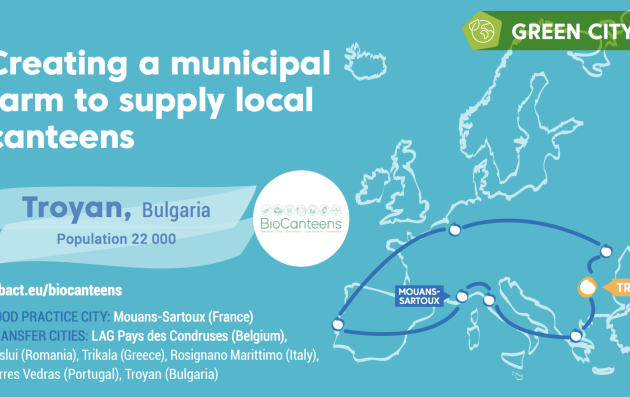

Troyan (BG)
Set-up of first Municipal Farm.
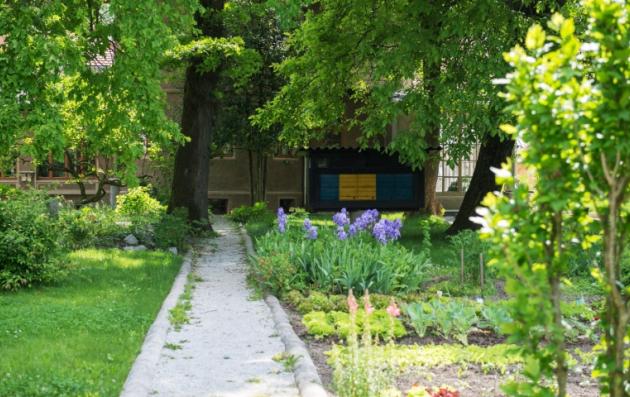
Ljubljana (SI)
Beekeeping and production preserving the urban environment, biodiversity and food self-sufficiency challenges linked to urban beekeeping.
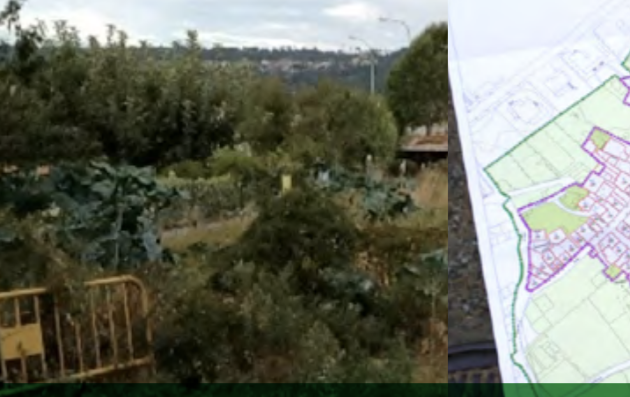
Ourense (ES)
“Gardens bank” and recovering food production areas in the outskirts.
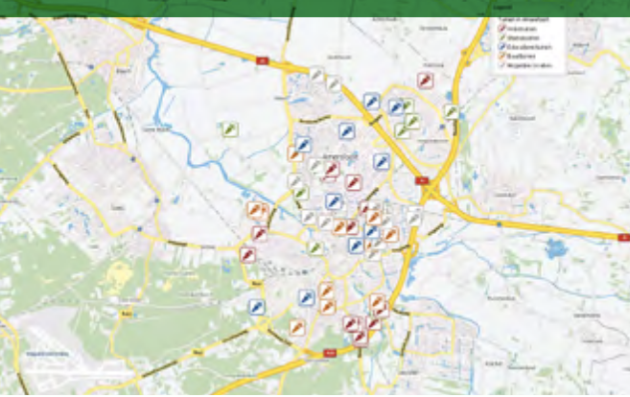
Amersfoort (NL)
“Gardens bank”: recovering food production areas in the outskirts of Ourense, Spain
READ MORE (Page 31)
City’s role in identifying available gardening plots with a Digital Urban Farming Map.
READ MORE (Page 64)
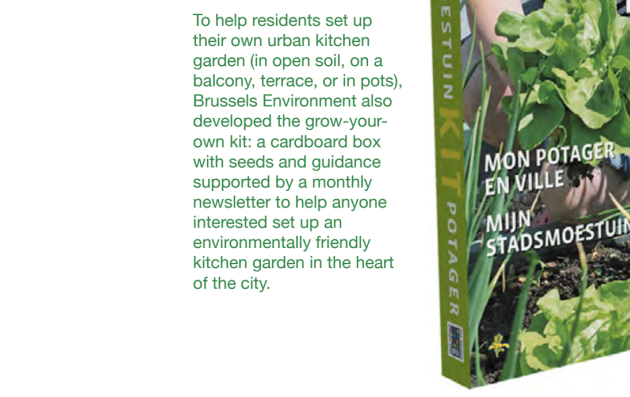
Brussels (BE)
My "Urban Kitchen Garden” Grow-Your- Own-Kit.
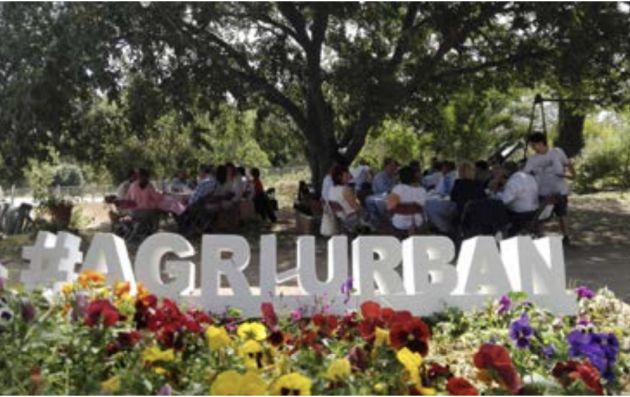
Mollet Del Valles (ES)
Es Gallecs network: agri-sustainability in the middle of an intensely urbanised area.
Maribor (SI)