
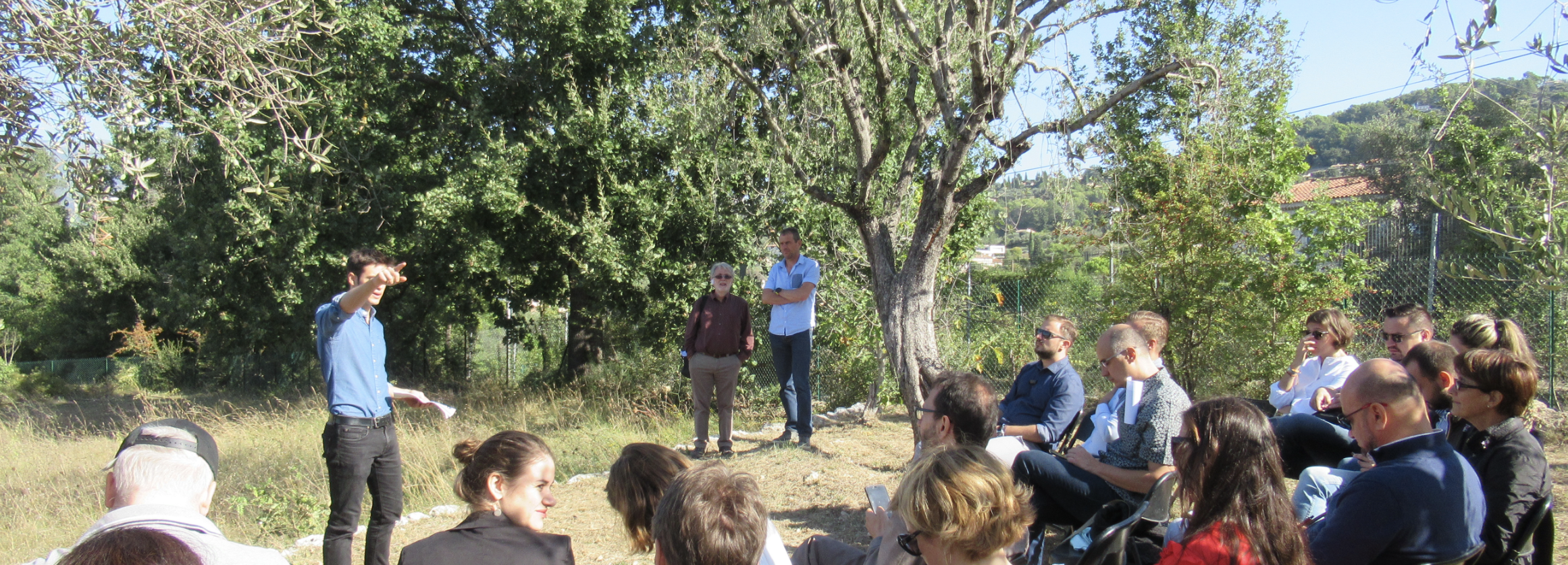
Why food policy is more important than ever?
Food systems encompass the entire range of stakeholders and their interlinked activities from food production to distribution and consumption via transformation. These actors range from private to public, NGOs, as well as citizens, focusing on the types of food items, their quality, their integration into daily lives.
Cities have a responsibility to ensure that all stakeholders co-create local food ecosystems addressing societal needs and reinforcing territorial cohesion, while enabling the legal and economic frameworks required for such actions. These have for example taken the forms of Food policies, Food councils or work on public procurement. In particular, canteens have been key players in the city to serve as systemic transition hubs and to support strong leadership visions.
Read below some city stories about food policy


Milan (IT)
Milan’s Urban food policy for an inclusive, integrated and sustainable development of cities.
Bristol (UK)
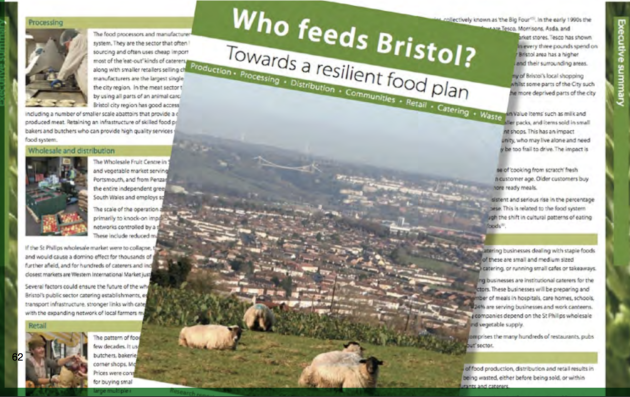
Bristol launched the first Food Policy Council in UK in 2011.
READ MORE (Page 60)
Research on the local food ecosystem with "Who feeds Bristol?"
READ MORE (Page 62)
Oslo (NO)
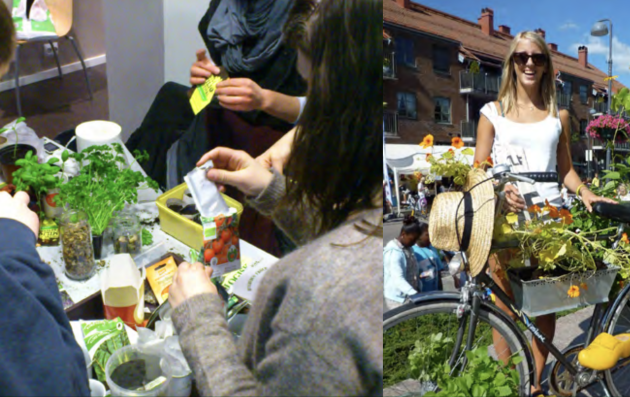
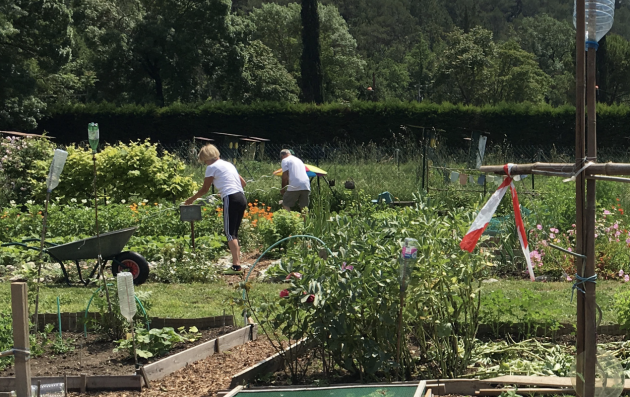
Oslo’ MAJOBO grassroots network of local and organic food production and urban farming by citizens, spreading ideas, inspiration and information.
Caen (FR)
Mouans-Sartoux (FR)
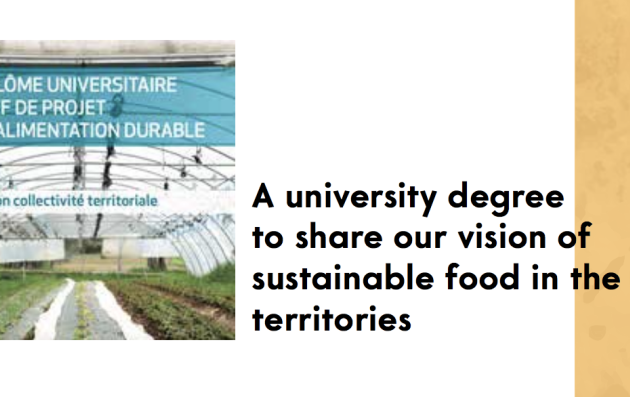
A University Degree for Local Food Policy Manager in Public Administration initiated by the city.
Torres Vedras (PT)
‘Playing’ with public procurement to increase local and organic products in school canteens while doubling the number of meals
Mouans-Sartoux (FR)
Looking for the right recipe to build a more participatory food governance.
Internal and external transversality for bees protection and promotion.