21/04/2008 19/07/2011
Develop new structures and tools that make it possible to improve collaboration on the "city-region" level.

Introduction
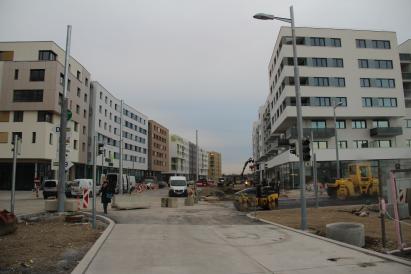
Urban sprawl continues to be a predominant trend in European spatial development. Cities function as motors for social and economic development and are vital for common integrated planning. They are also basic service providers for the whole region. It is essential that urban development and planning goes hand in hand with integrated development of the hinterland. Discussions and moderated processes need to take place about duties and functions that could be shared between towns and their surrounding municipalities. Cooperations should be formed to guarantee the best use of public and private investments. By identifying best practices and by adapting these models to particular local needs the network aims to improve multilevel governance and counteract urban sprawl.
PARTNERS
Lead Partner : Graz - Austria- Munich - Germany
- Châlons-En-Champagne - France
- Zurich - Switzerland
- Arezzo - Italy
- Trikala - Greece
- Oradea - Romania
- Kielce - Poland
- Częstochowa - Poland
Timeline
Project launch
Project completed