

A journey through the solutions fostered by the first URBACT network on the night-time economy, which brought together 10 cities working on different dimensions of the life of cities when the sun goes down.
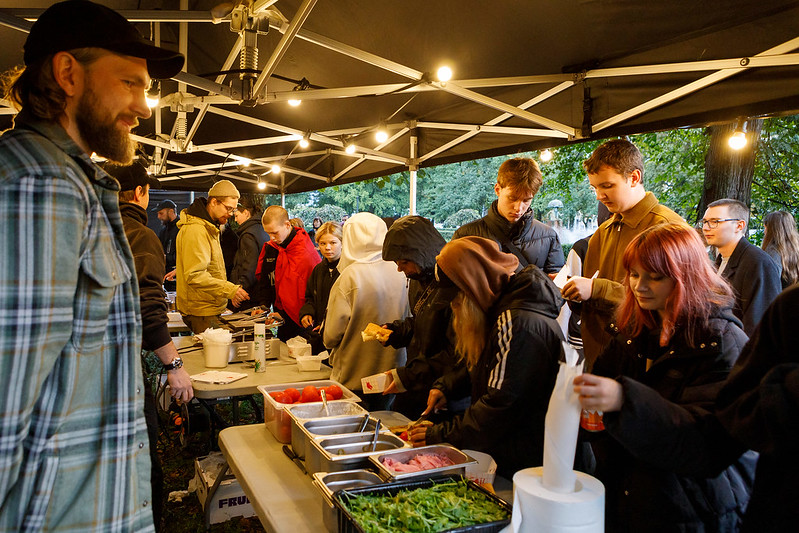
A square in Nicosia or Braga transformed into a temporary dancefloor and music venue by local DJs and performers, a historical palace in Genoa open at night for guided tours and community events, a public park of Tallinn animated by cooking classes and tattoo workshops for local youth, a night bus line connecting the city centre and the suburbs of Zadar: these night spaces and activities, reactivated through Cities After Dark’s testing actions, are not isolated examples of one-off activities. They demonstrate the untapped potential of the night revealed through the work of the first URBACT network dedicated to night-time economy.
After two years and a half, the network concluded its activities but its impact on both local and international levels will continue well into the future. Having begun during a period of significant uncertainty, as the sector was cautiously recovering from the effects of the pandemic, Cities After Dark contributed in raising awareness on the interdependent dimensions of the urban life at night.
The initial focus on creating a balance between the needs of those seeking rest and those seeking leisure or working at night, a topic highlighted during the first partners meetings at the URBACT Summer University of Malmö and in Braga respectively in August and November 2023, evolved over time to integrated broader topics.
The priority of fostering economic and cultural vibrancy in nocturnal hours, which is usually at the core of the night policies in many European cities, was than combined with other thematic strands like the extension of services, safety and reduction of noise, use of green areas and public spaces. For most partners, enhancing the understanding of how night-time economy spans beyond conventional nightlife sectors represented a necessary starting point, while Paris and Tallinn (which had already some forms of integrated night-time governance) focused their participation in the network on strengthening specific priorities of their action on the night.

The exploration of different dimensions of the night-time economy at the occasion of transnational meetings, that hosted also night site visits, public events and significant media visibility, contributed to raise awareness among the local audiences and to connect the international perspective of the network with local integrated action planning process. At the same time, the connection with some of the leading global experts, local authorities and organizations active on night-time economy through online thematic seminars and study visits was crucial to broaden the knowledge of the partners on the topic.
The power of collaboration: integrated plans and actions for a night that shine
The exchange of practical solutions on multiple dimensions, like the improvement of mobility services in nocturnal hours, the extension and diversification on nocturnal services and activities, the revitalization of green areas and public spaces for sustainable night-time, the promotion of gender equality and inclusive activities for making nightlife safer for all, inspired the development of the Testing Actions. At the same time, these actions validated innovative approaches to the night-time economy that the cities included in their Integrated Action Plans.
Inspired by the Berlin’s Day of Club Culture, showcased during the network’s study visit to Berlin, Braga and Nicosia temporarily reactivated public spaces through events that showcased the variety of the local night-time ecosystems, or improved the skills of night professionals, like in the case of the Cypriot capital with the organization of DJ training activities. Both cities consolidated this approach within their Integrated Action plans with programs that will convert temporary spaces into night hubs and structured training programs in culture, safety and hospitality for night workers.
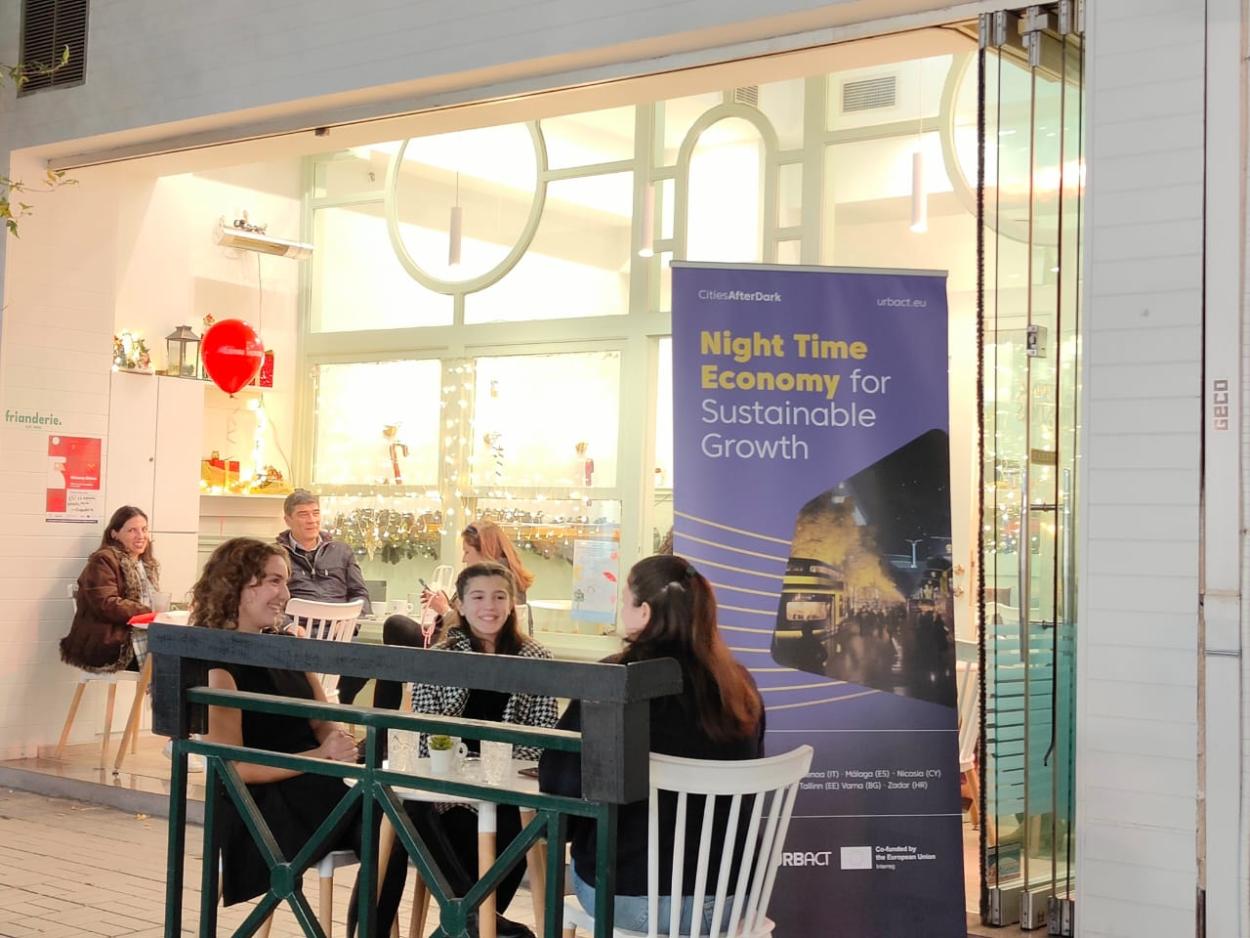
Improving night-time mobility emerged as another shared priority on which the partners of Cities After Dark stimulated each other to create a tangible impact on the long term. The activation of a temporary night bus line connecting the city centre to the suburbs in Zadar was strongly inspired by similar measures that Tallinn made structural along the process. This solution is in line with the Zadar’s objective of introducing zoning policies for night-time economy areas and diversify cultural and social life beyond the city centre, as included in its Integrated Action Plan.
The diversification of night activities is also at the core of the action of Varna, that took inspiration from the Paris’ White Night model to extend the opening hours for local art galleries, including this activity and the measurement of usage and perception of night-time public transport (both tested in the testing action) as structural measures within its Integrated Action Plan.

The use of technologies for improving the quality of life and services at night is another element targeted by many cities of the network, with a specific attention on this cross-cutting dimension of digital transformation that, together with green transition and gender equality, was addressed by online seminars and thematic reviews of the IAPs.
Introducing as testing action the Budva After Dark app, Budva is promoting better knowledge of the night activities carried out in different parts of the city, primary strategic goal of its Integrated Action Plan which aims to bust cultural vibrancy throughout the city. As tested within the project, the consolidation of the digital calendar of after dark events is also for Piraeus one of the main activities that combine the use of technologies with the improvement of the nightlife for residents and visitors.
Malaga applied GIS mapping to analyze how night-time economy is perceived in different areas of the city, and included this tool among the ones that will be implemented within the IAP’s Night Time Governance Plan. The city also drew inspiration from Piraeus and Genoa to extend the opening times of public libraries that will strengthen public services in evening and nocturnal hours.
The introduction of late-night childcare facilities, carried out by Braga and Genoa alongside the activities of the network, encouraged Tallinn, Malaga, Piraeus and Budva to introduce similar initiative into their own IAPs. A strong focus on the improvement of the quality of life for night workers was included by Tallinn within its integrated action plan, with actions like the extension of the night bus network and the improved access to services and mental health support: these actions are partly inspired also by London’s 24-hours strategy presented during network online seminars and the final Cities After Dark festival as possible enhancement of existing night strategies towards a 24-hour dimension.
Making nightlife more inclusive and safer for all is another shared priority targeted by many cities of the networks, that exchanged knowledge based on the actions tested with Cities After Dark. The promotion of the values of care, consent and gender inclusion fostered by the Marateuf Festival in Paris will be formalized in its Integrated Action Plan with public communication campaigns and targeted education toolkits for young party-goers distributed in local schools. These activities influenced also Genoa in the development of similar education initiatives, also embedded in the IAP, which promote the culture of the nightlife awareness and a responsible approach to the nocturnal life with training programs for local youth and nightlife operators.
Cities After Dark in 10 Steps…and more!
Throughout its activities, Cities After Dark accompanied and helped shape the evolution of the European and global debate on night-time economy towards a stronger attention on sustainable urban development, and more in general on life at night rather than just on nightlife.
This shift of paradigm was evident also in the programme of the Cities After Dark Festival held in Tallinn at the end of September, and in the dissemination event at the Stadt Nach Acht of Berlin, one of Europe’s leading night-time economy conferences. The presence of Cities After Dark and its partner cities in different panels of the event underscored the crucial role of strategies and content developed within the network in the international debate.

At the same time, Cities After Dark produced a significant body of knowledge on night-time economy in Europe, with its studies, journals and articles, an action that strengthened the connection with global experts and practitioners and the engagement in a series of international events but also in City-to-City Exchanges developed in the framework of the European Urban Initiative.
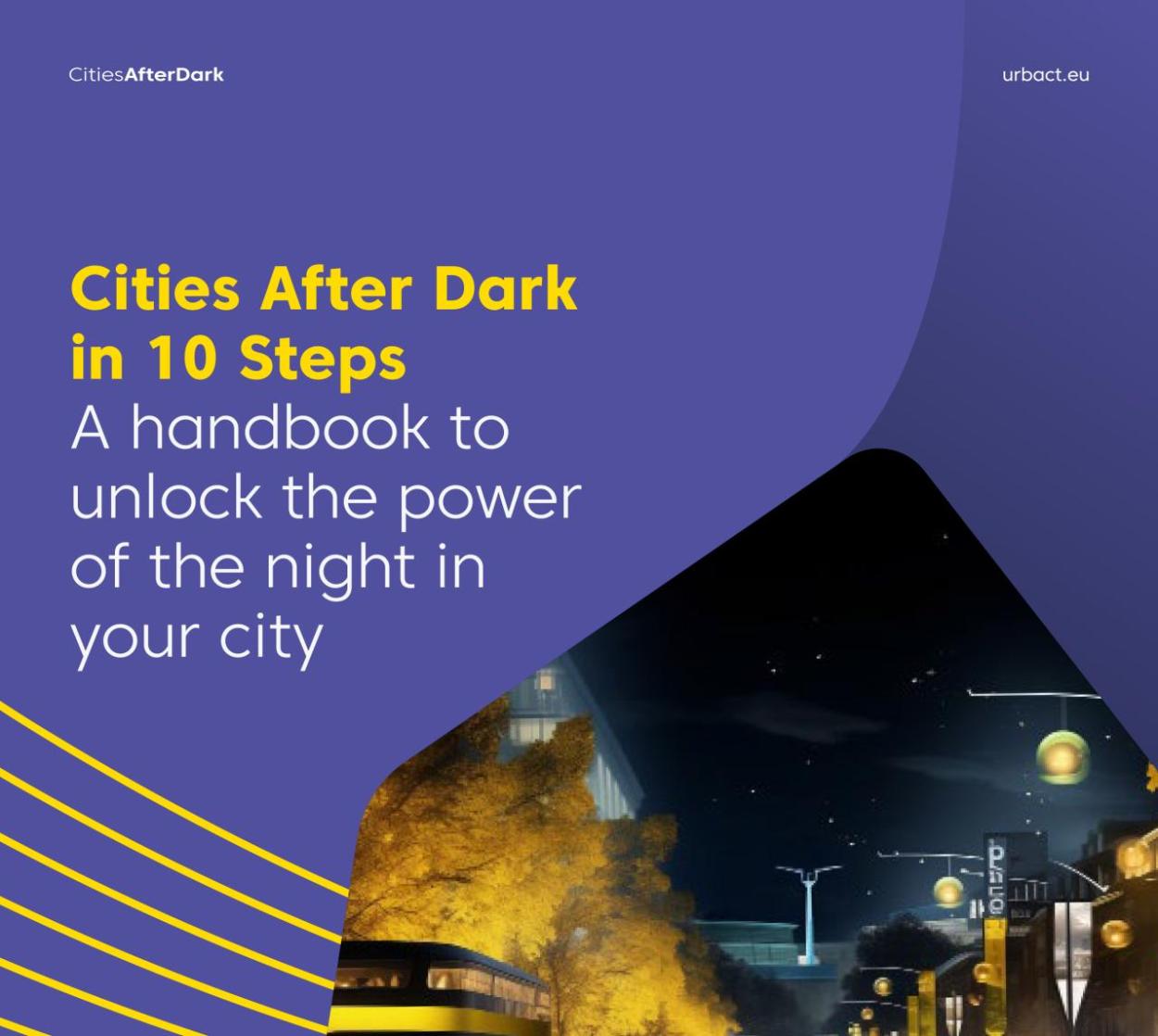
The final Handbook Cities After Dark in 10 Steps provides a structured guide for local authorities seeking to replicate the process carried out by the cities of the networks. Featuring policy recommendations, practical to-do-lists and concrete examples taken from Testing Actions and IAPs of the network’s cities, the Handbook serves as a cornerstone in the European debate on night-time solutions, paving the ground for activities of international exchange that will not finish at the end of the network activities.
With all the cities of the network that included the development of integrated forms of governance like Night Commissions or Councils within the main priorities of the Integrated Action Plans, the partners of Cities After Dark join a selected group of fewer than 100 cities worldwide with dedicated night-time governance structures or night policies.
In order to continue the conversation with all of them, the city of Braga as lead partner of the network partnered with the Nighttime Foundation to launch the Global Cities After Dark programme, a transnational voluntary initiative for local authorities that will sustain the principles and themes of the URBACT network in the next years. The programme aims to engage cities worldwide, with the objective of raising awareness on the night-time economy and strengthening the local, national and international frameworks that improve urban life after dark.
The night doesn’t end here, stay tuned!
Simone d'Antonio - Lead Expert Cities After Dark
Discover the soundtrack of the network’s journey in the official Cities After Dark playlist on Spotify!