Networks and cities' news

Catch up on the latest updates from cities working together in URBACT Networks. The articles and news that are showcased below are published directly by URBACT’s beneficiaries and do not necessarily reflect the programme’s position.

Want to learn more about the projects that are featured here? Discover the URBACT Networks.
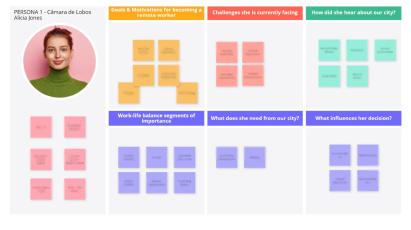


  • Camara de Lobos Remote worker Persona exercise

    Who is the remote worker?

    This Playbook entry is part of the Remote-IT Playbook series, developed within the URBACT Remote-IT Action Planning Network (Entry 1 of 22).


    Remote work is no longer a niche privilege for a small group of professionals. It has become a structural feature of European labour markets and of how people choose where to live, work, and raise families. For cities, this shift is not only about broadband and coworking spaces; it is fundamentally about people, a growing and increasingly diverse population of residents, commuters, visitors and temporary locals who work remotely.

    We drew on European data and research, but as well on the experience of the eight cities in the Remote-IT network - Dubrovnik, Brindisi, Bucharest District 6, Câmara de Lobos, Heraklion, Murcia, Tartu and Tirana - which have spent the last 2.5 years experimenting with policies and pilot actions around remote and hybrid work.

    Alisa Aliti Vlasic

    See more
  • Remote-IT Quarterly Report 4&5

    Alisa Aliti Vlasic

    See more
  • Unlocking the potential of remote work: insights from the Remote-IT network

    The global workforce is undergoing a profound transformation, with remote work and digital nomadism reshaping economies, urban planning, and governance. For cities, this shift presents both opportunities and challenges: How can urban areas attract and retain skilled remote workers? How can public administrations integrate remote and hybrid work models while maintaining efficiency?

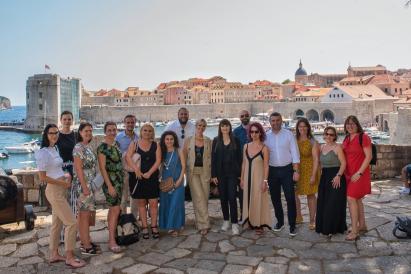
    The Remote-IT Network, composed of eight European cities—Dubrovnik, Brindisi, Tartu, Murcia, Heraklion, Bucharest District 6, Câmara de Lobos, and Tirana—explores strategies to make cities more adaptable to remote work. Through transnational meetings, testing action initiatives, and discussions in forums and podcasts, the network has identified key insights and recommendations for cities aiming to become leaders in the future of work.

    Alisa Aliti Vlasic

    See more
  • Engaging stakeholders for success: Building effective URBACT Local Groups


    Barbara Damić Medi

    See more
  • Remote-IT: exploring remote work preparedness of cities

    Anamaria Vrabie

    See more