What's new

Check URBACT's latest stories, updates and events!


  • Five Reasons Why Cities Should Consider the Night When Planning Urban Mobility

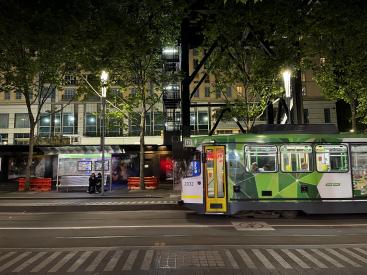
    Waiting for hours at a bus stop after a night out with friends is one of the most vivid memories of my youth. Night buses aren’t just for those who don’t have a car, but they are vital for a wide range of people who rely on public transport to get to or from the work, or who simply feel safer than walking alone at night. 

    Urban mobility systems are typically designed for being fully operational at daytime, but once night falls, cities of all sizes face a series of challenges. Cities and metropolitan areas are perfect testing grounds for testing innovative solutions that can enhance the quality of the mobility during night-time hours. 

    The URBACT Action Planning Networks Cities After Dark and PUMA sparked the conversation among partners cities on the importance of 24-hour mobility systems, drawing on some of the most interesting models carried out by cities across Europe and globally. Here are five key reasons why cities should integrate night-time dimension into their urban mobility plans, to become more vibrant, inclusive and attractive for all. 

    dantonio

    See more
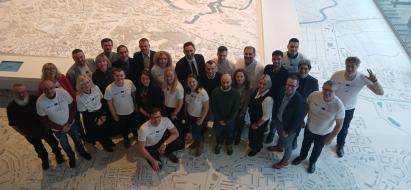
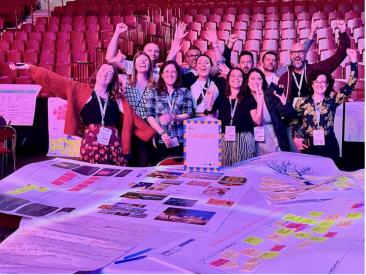
  • All PUMA network partners together in Gdansk, Poland, January 21-23

    What has been done in PUMA network in the first quarter of 2025?

    Aksels Ruperts

    See more
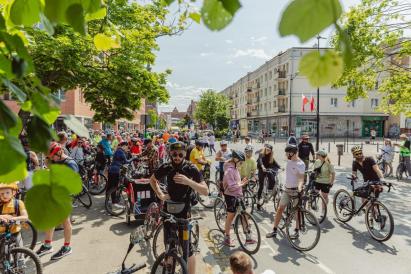
  • People in Gdansk, Poland, gathering together for a bike ride

    How European cities are helping one another in advancing towards sustainable mobility

    While the transport sector is a vital component of the European Union (EU) economy, contributing 5% to the EU’s GDP and employing 10 million people, it also presents a significant environmental challenge. Indeed, transport accounts for around 25% of the EU’s total CO emissions, with road transport being the largest contributor, responsible for 71.7% of those emissions. Additionally, 23% of all transport-related greenhouse gas emissions come from urban areas (cities, towns and suburbs), where most EU citizens live.

    Cities across Europe must thus strive to make urban mobility more sustainable and accessible to achieve a 90% reduction in transport-related greenhouse gas emissions by 2050, in line with the European Union’s climate targets. One significant challenge is the insufficient public transport in smaller and medium-sized cities, which causes residents to depend more heavily on cars on a daily basis. In fact, larger cities (with over one million inhabitants) tend to offer more frequent public transport services and better-developed cycling infrastructure than smaller cities (with under 250,000 inhabitants). Overall, approximately 88% of European citizens still own a car.

    If we want to achieve our sustainability goals, then I believe that all European cities, also small and medium ones, have to focus on the more sustainable types of transportation,” explained Aksels Ruperts, PUMA Lead partner project coordinator.

    Aksels Ruperts

    See more
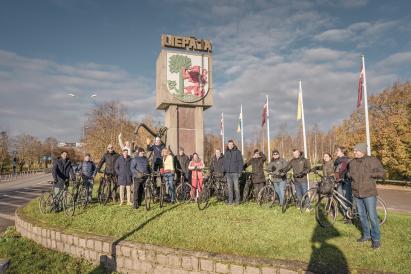
  • PUMA project: one year on board – where are we now?

    A year and a half ago, we set out on a journey to help cities across 8 European countries rethink urban mobility. The idea was simple: work together, share knowledge, and build sustainable solutions through Integrated Action Plans. Fast forward eighteen months, and we find ourselves at a crucial checkpoint.

    So, what’s been achieved so far? What’s proving more complicated than expected? And most importantly, where do we go from here? Let’s take a deep dive into the first year of PUMA - the wins, the roadblocks, and the next steps.

    KarolinaOrcholska

    See more
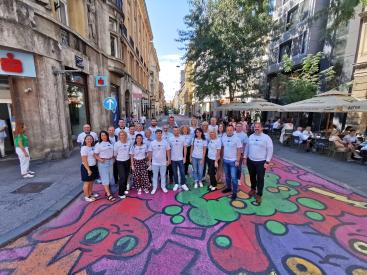
  • PUMA activity in the last quarter in 2024

    Aksels Ruperts

    See more
  • C4TALENT: kur dideli talentai ir mažesni miestai susieina

    Kuo miestas patrauklus ieškantiems darbo? C4TALENT tinklas, kurio vienu iš partnerių yra Alytaus miesto savivaldybė, suteikia postūmį Europos miestams, norintiems pritraukti ir išlaikyti talentus.

    Nyíregyházoje (HU) gimę ir užaugę broliai Erikas ir Máté visada mėgavosi gastronomija. Įgijus vidurinį išsilavinimą, karjeros kelias juos vedė per prestižinius restoranus Budapešte, Londone ir Toronte, įskaitant „Michelin“ žvaigždute įvertintas įstaigas. Erikas pakilo į šefo pareigas, o Máté tapo vyriausiuoju padavėju. Nepaisant sėkmės užsienyje, didžiausia jų svajonė buvo atidaryti restoraną gimtajame mieste. Pasirinkę drąsų kareros sprendimą, jie grįžo į Nyíregyházą Vengrijoje, panaudodami savo patirtį kurdami sėkmingą makaronų barą.

    Eriko ir Máté istorija atspindi daugelio ES piliečių svajonę keliauti ir dirbti užsienyje. Tai taip pat puikus pavyzdys, kaip miestas pritraukia ir išlaiko talentus, tačiau kalbant apie mažus ir vidutinio dydžio miestelius, tai labiau išimtis nei taisyklė.

    Šiame straipsnyje atidžiau pažvelgsime į Eriko ir Máté gimtąjį Nyíregyházą ir dar devynias savivaldybes, dalyvaujančias URBACT veiksmų planavimo tinkle. Miestai partneriai kartu kuria strategijas, skirtas talentams ir startuoliams draugiškiems miestams, ypač mažesniuose miestuose.
    Gediminas Cesonis

    See more