• PlaceMaking for Cities

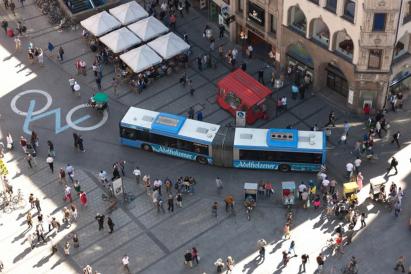
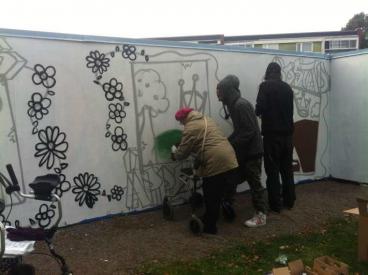
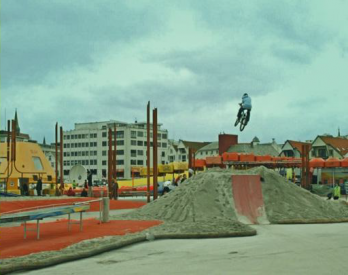
    Placemaking is a concept that emerged to describe the intentional process of activating new or existing public spaces to create that emotional connection.
    Closed
  • Genius: Open

    Our project will transfer a leading edge Open Innovation approach where citizens and businesses work together with the city, creating innovative solutions to city challenges via an online collaboration platform; GeniUS! 

    Closed
  • Gastronomic Cities

    Five cities working together to promote gastronomy as a key urban development.

    Closed
  • Diet for a Green Planet

    Food and agriculture accounts for a key part of global environmental challenges including climate change, biodiversity, nitrogen and phosphorus. Diet for a Green Planet is a way for every person who eats food to engage and become part of the solution.

    Closed
  • Roma-NeT II

    ROMA-NeT URBACT II project was established to create a new approach to stimulate information sharing and development across the complex Roma integration policy and operational environment in nine European cities.

    Closed
  • EVUE II

    Electric Vehicles in Urban Europe (EVUE) focuses on the development of integrated, sustainable strategies and dynamic leadership techniques for cities to promote the use of electric vehicles. Urban initiatives to encourage the public and business to use EV's will contribute to EU clean air and car fleets targets, making cities more attractive and competitive.  Between 2009 and 2013, nine citiesacross Europe: Beja, Katowice, Frankfurt, Lisbon, London, Madrid, Oslo, Stockholm, Suceava and Zografou, supported by the URBACT programme, worked together to share knowledge and experience of how EVs can be implemented in the urban environment under the EVUE project.  Further activity has been undertaken through Pilot Delivery Network funding to look at the outcomes from the Local Action Plan process. EVUE II concludes in March 2015.

    Closed
  • Creative SpIN

    Creative "Spillovers" for Innovation aims to create a Thematic Network across Europe which will address the challenges of how best to connect cultural and creative industries, including sectors such as audiovisual, design, advertising, architecture and video games, with other sectors, to stimulate the effects of "spill over".

    Closed
  • CityLogo

    CityLogo is a transnational learning experience on citybranding and -marketing in modern urban politics. It is about a better positioning of cities in the (post) crisis economic arena and reinforcing the communication dimension in urban management.

    Closed
  • 4D Cities

    Promoting innovation and the knowledge economy in health field for the local social and economic development.

    4D Cities project aims at stimulating the key factors for developing successful integrated policies on Health Innovation so they become driving forces for local development, both at economic and social levels. Partner cities would like to give a boost to innovation and knowledge economy in health sector as a new productive sector which contributes to the diversification and enhancement of the economic activities and social cohesion of their territories.

    Closed
  • Wood Footprint

    Manufacturing and selling big items requires big spaces as factories and large showrooms. During the prosperity years of manufacturing sector in Europe, wood industry dependent cities have witnessed a pop-up of such buildings along the main road axis and suburbs, strongly making urban development. Nowadays the rapid transformation of these sectors led to the abandon of most of these, leaving a giant urban footprint that is a serious challenge to cities that have inherited it and a warning to others. Wood FootPrint, under the banner of URBACT, aims to respond to the challenge to reactivate the economies of participant cities, whose main economic activity is the furniture industry and have suffered as a consequence of the economic crisis and the impact of globalisation. One of the main benefits of the programme "Wood FootPrint" is to offer different tools and policies that will strengthen the furniture sector, but at the same time offer economic diversification by sharing successful methods in sustainable sectors. The project partners include 10 partners from 9 EU countries.

    Closed
Subscribe to