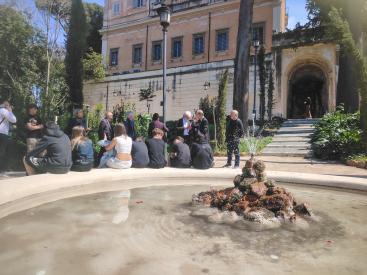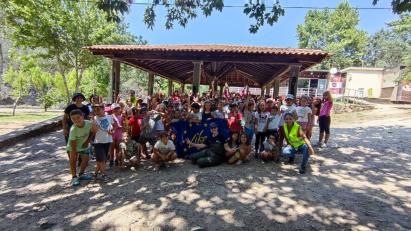
Celebrating GeoNight (and day) through Rome’s hydro-heritage sites
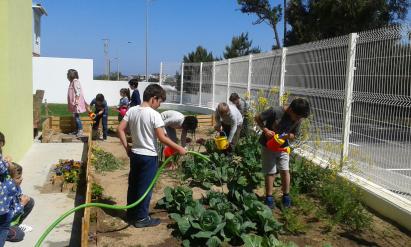
Rome's Hydro-Heritage Cities URBACT Group celebrates the Night (and day) of Geography with a testing action engaging academic institutions and young students.
Five URBACT Good Practices reconnecting cities with nature for better urban water management
As climate change accelerates pressures on urban water management, cities are taking the plunge by introducing green infrastructure to boost local water resilience.
Five URBACT Good Practices reconnecting cities with nature for better urban water management
As climate change accelerates pressures on urban water management, cities are taking the plunge by introducing green infrastructure to boost local water resilience.
In her 2026 World Water Day statement, EU Commissioner for Environment, Water Resilience and a Competitive Circular Economy Jessika
As our project is coming to an end and nearly all the IAPs have been completed, we launched an engaging post series to showcase interviews with our partners. Find below the third interview from
From sustainable Hydro-Heritage management to a Water Sensitive City
The Urban Agenda for EU ‘Water Sensitive City’ partnership met last week in Athens and Chalandri and visited the Cultural H.ID.RA.N.T. project, which inspired the Hydro-Heritage Cities URBACT ITN.
Citizen Engagement in Saint-Quentin's Green Transition
Saint-Quentin is reshaping its neighborhoods to face the realities of climate change with ambition and community spirit. Through the URBACT COPE programme, residents, institutions, and local partners
Nature-based solutions as financially viable opportunities
Nature not only provides unbelievable benefits for our physical and mental health, but also offers cheap and aesthetic solutions to develop our cities and reshape our landscapes, enabling the long
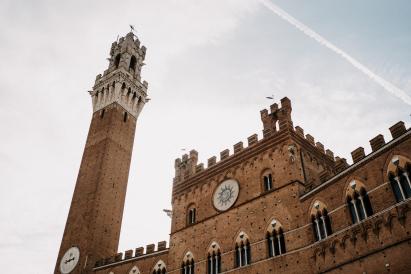
The Hidden Garden: Nature, Culture and Art in Siena
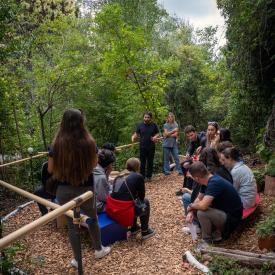
The Hidden Garden (il Giardino Nascosto) is a peri-urban regeneration project led by the Siena Art Institute that aims to revitalize a previously abandoned wooded area, adjacent to the medieval walls
Biodivercity case study 14 - Creating urban wild life and green corridors for the benefit of nature and people
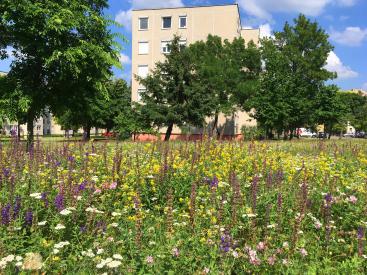
Urban areas might harbor high diversity of species. Urban landscapes can be, for instance, especially valuable for pollinators and shelter a relatively high pollinator diversity compared to