Networks and cities' news

Catch up on the latest updates from cities working together in URBACT Networks. The articles and news that are showcased below are published directly by URBACT’s beneficiaries and do not necessarily reflect the programme’s position.

Want to learn more about the projects that are featured here? Discover the URBACT Networks.


  • Planting a network: PARKS takes root across Europe

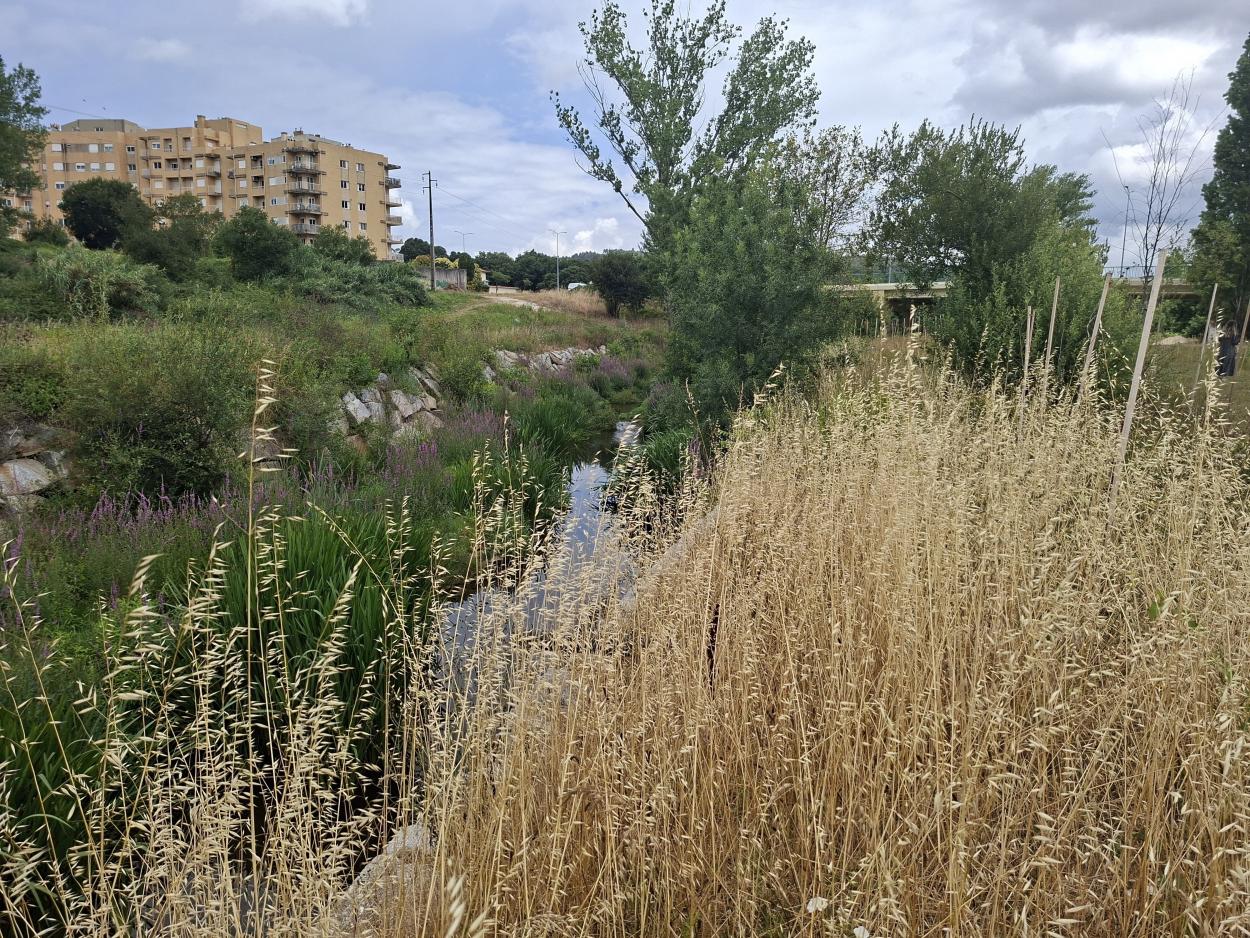
    Take a look outside your window. What do you see – the urban landscape, a green space with people chatting on a bench? How about the street – a dull asphalt desert or one shaded by lush plane trees? What’s your favourite park nearby – the green square around the corner or the park down by the river?

    A model for the quality of urban green is the 3+30+300 principle. It is used to measure visual access to greenery (3 mature trees from every home, school or workplace), the availability of urban trees (30 % tree cover in the neighbourhood) and physical access to green space (within 300 m). Are you lucky to live in such an environment? 

    Cities around Europe struggle to come close to these numbers and to counter the adverse effects of a heating climate and extreme weather events. Urban trees, parks and other green infrastructure can help to mitigate the heat waves like the ones under which Europe ached in summer 2026, and they also bring ecological, social and aesthetic value to cities.

    Marco Buemi

    See more
  • Perugia sets an example in green space management: delegations from six European countries


    On 10 February 2026, Perugia shared its experience in participatory green-space management with partners from across Europe as part of the URBACT PARKS (Participatory Actions for Resilient and Knowledgeable Stewardship) project.

    The PARKS network brings together cities from the network to exchange knowledge and transfer successful approaches to the management of urban green spaces. During the visit, European partners explored two examples of Perugia’s participatory approach: Chico Mendes Park, where the Natura Urbana association manages the Ecomodule and organises activities for citizens, and the San Matteo degli Armeni complex, home to an urban garden managed by the Vivi il borgo citizens’ association for more than ten years.


    Marco Buemi

    See more
  • Sport Based Solutions Guidance: A New Article In The Library Section

    Among our final products, ourLead Expert provided us and the interested parties with a Sport Based Solutions Guidance to orient us in the world of sport in urban spaces. Over the past two decades, sport has become a central component of contemporary urban policy due to its proven impact on public health, social cohesion, and environmental resilience. International frameworks, including those promoted by global and European institutions, emphasise that active living must be integrated into urban planning, mobility systems, education, and public space design. Sport is no longer seen as a marginal leisure activity, but as a structural tool capable of shaping healthier and more inclusive cities.

    Désirée Zucchi

    See more
  • verona article 1

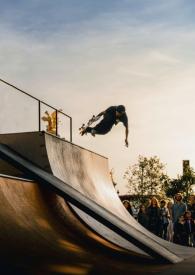
    Can Urban Sports Hubs Transform Youths Communities and Regenerate Urban Public Spaces?

    Contemporary cities face challenges in providing adequate spaces for youth socialization and recreational healthy activities. The Re-Gen Project tackles these issues by leveraging abandoned public spaces for planning and testing innovative models for urban regeneration. Engaging youngsters, schools, cultural and sport associations in co-creating new Urban Sport Hubs redefines urban participative process, fosters sense of a shared responsibility for common goods and promotes multifunctional spaces. These hubs, centered on street sports, symbolize a progressive shift in policy towards inclusive community development and vibrant urban spaces reconnecting also aesthetics with ethics.

    rlioce

    See more
  • Ph. Luis Villasmil

    Sport Urbanism: A New Paradigm for Urban Regeneration and Sustainable, Beautiful Cities for All

    Sport urbanism is emerging as a powerful concept in the transformation of our cities. This approach advocates for integrating sports into urban design as a green, inclusive solution that enhances the beauty and functionality of public spaces. Sport-based solutions doesn't just make cities more attractive; they also turn public areas into vibrant hubs that promote well-being, public health, and environmental sustainability. By placing sports at the heart of urban regeneration, we can create spaces that are aesthetically pleasing and serve as collective spaces for communities, fostering social connections and improving the quality of life for all residents.

    rlioce

    See more
  • Bringing Life Back to Public Spaces: The Revival of the Park Near Corfu’s Correctional Facilities

    What was once a vandalized, neglected space filled with garbage is now starting to show signs of new life! Thanks to the URBACT Re-Gen initiative, led by Kapodistriaki Development S.A. in collaboration with the Municipality of Central Corfu and the Diapontian Islands, the park near the Correctional Facilities of Corfu is transforming into a welcoming public space.

    Désirée Zucchi

    See more