04/04/2018 06/04/2021
Closed
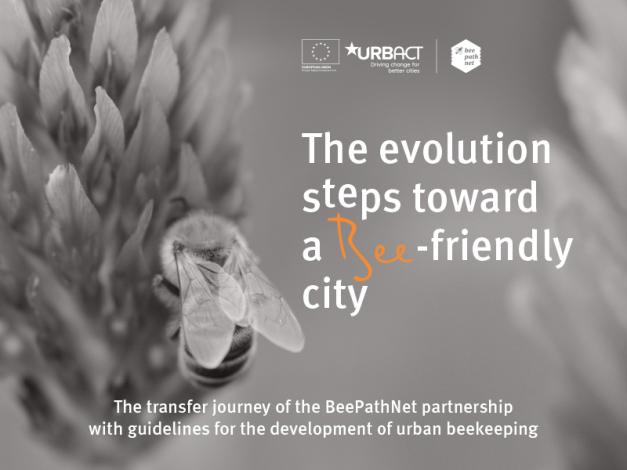
BEE PATH Good Practice logic is very simple - bees are the best indicator of healthy environment! BeePathNet Transfer network aims to up-grade and transfer BEE PATH concept, solutions and results from Ljubljana to 5 other EU Cities. It will address urban environmental, biodiversity and food self-sufficiency challenges linked to urban beekeeping through integrated and participative approaches, build key stakeholders’ capacity to influence relevant policies, develop and implement efficient solutions.
Summary
Partners
Lead Partner : Ljubljana - Slovenia- 12th District of Budapest (Hegyvidék) - Hungary
- Amarante - Portugal
- Bydgoszcz - Poland
- Cesena - Italy
- Nea Propontida - Greece
Timeline
Phase I
- Kick off meeting: Cesena (IT)
- Transnational Conference: Ljubljana (SI)
Phase II - 1/3
- Kick off meeting: 12th district of Budapest (HU)
- BEE PATH good practice study tour with training for Transfer city ULG members: Ljubljana (SI)
- Thematic transfer meetings: Back2Back meeting Budapest (HU), Bydgoszcz (PL)
Phase II - 2/3
- Thematic transfer meeting in Cesena (IT)
- Thematic transfer meeting in Nea Propontida (GR)
- Thematic transfer meeting in Amarante (PT)
Phase II - 3/3
- Midterm reflection meeting in Ljubljana (SI)
- Thematic transfer meeting in Cesena (IT)
- Final Conference: Ljubljana (SI)
- Final Meeting Nea Propontida (GR)