14/06/2021 31/12/2022
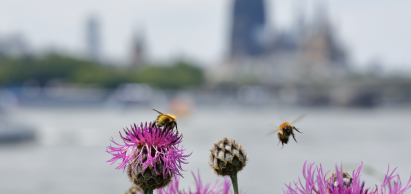
BEE PATH good practice logic is very simple - bees are the best indicator of healthy environment! BeePathNet-Expanded project will widen the network of “bee-friendly cities” based on BeePathNet project transfer success. It will address urban environmental, biodiversity and food self-sufficiency challenges linked to urban beekeeping through integrated and participative approaches, build key stakeholders’ capacities to influence relevant policies, develop and implement efficient solutions.

Partners
Lead Partner : Ljubljana - Slovenia- Bergamo - Italy
- Osijek - Croatia
- Sosnowiec - Poland
- Bansko - Bulgaria
Timeline
- Kick-off meeting
- Boot Camp in Ljubljana (SI)
- Thematic Transfer meeting in Osijek (HR)
- Thematic Transfer meeting in Bansko (BG)
- Thematic Transfer meeting in Bergamo (IT)
- Thematic Transfer meeting in Sosnowiec (PL)
- Final Conference in Ljubljana (SI)

Bee Path Cities impact
Network Outputs
-
The evolution steps towards a bee-friendly city(PDF, 16Mo)
Integrated Action Plans
-
BeePathNet Reloaded Presentation of Bergamo (IT).pdf(PDF, 304Ko)
-
BeePathNet Reloaded Presentation of Bansko (BG).pdf(PDF, 257Ko)
-
Conference on Urban Beekeeping - presentation.pdf(PDF, 311Ko)
-
World Bee Day Ljubljana (SI).pdf(PDF, 301Ko)
-
World Bee Day Bergamo (IT).pdf(PDF, 365Ko)
-
World Bee Day Sosnowiec (PL).pdf(PDF, 300Ko)
-
World Bee Day Osijek (HR).pdf(PDF, 291Ko)
-
World Bee Day Bansko (BG).pdf(PDF, 359Ko)
-
BeePathNet Reloaded Presentation of Osijek (HR).pdf(PDF, 359Ko)


Stories
-
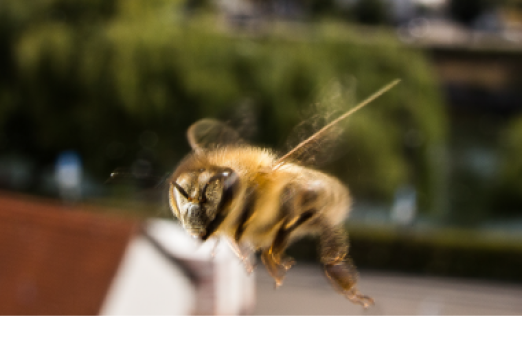
The Bee-friendly city movement is about spreading knowledge on urban beekeeping
BeePathNet Reloaded is about spreading knowledge on urban beekeeping to additional four EU cities that have proven its environmentally friendly
-
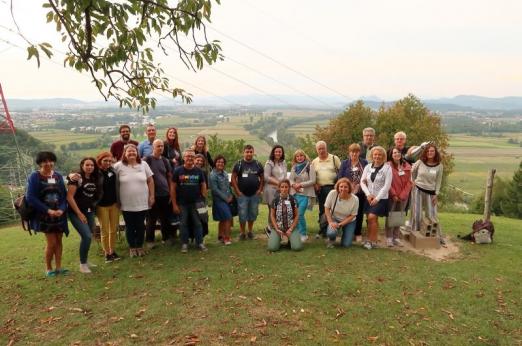
BeePathNet Reloaded Boot Camp
The BeePathNet Reloaded Boot Camp was a five-day intensive training opportunity. The BeePathNet Reloaded partners Ljubljana (lead partner), Bansko
-
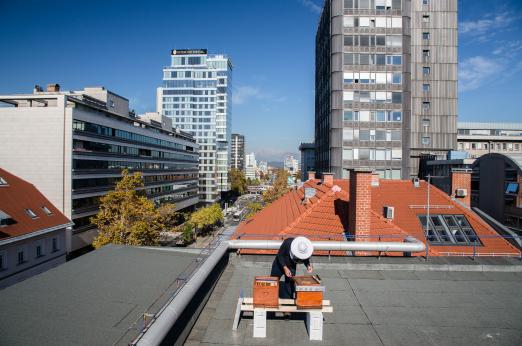
Upgrading environmentally friendly orientation of four EU cities with urban beekeeping principles
BeePathNet Reloaded is about spreading knowledge on urban beekeeping to additional four EU cities that have proven its environmentally friendly