15/09/2015 03/05/2018
This Action Planning network explored how digital, social media and user generated content can improve today’s urban management in European cities, whatever size. This challenge has been tackled in two ways: as an opportunity to redefine and deepen the concept of citizenship and civic engagement today, providing a path to spark cohesion, commonalities and shared value as well as increasing sense of place. As well as a way to improve the quality of public services, in terms of efficiency and transparency, and even widen the current service chart provided by local authorities.
Summary
- Alba Iulia - Romania
- Lisbon - Portugal
- Debrecen - Hungary
- Ghent - Belgium
- Murcia - Spain
- Palermo - Italy
- Paris - France
- Tartu - Estonia
- Varna - Bulgaria
Timeline
- Phase 2 kick-off meeting in September (Alba Iulia)
- Transnational meetings in February (Lisbon), June (Tartu) and October (Ghent).
- Transnational meeting in January (Murcia). Final event in April (Genoa).
Network Outputs
Network Outputs
-
Interactive Cities Final Publication(PDF, 24Mo)
Integrated Action Plans
-
Interactive Cities - CLLD Lisbon IAP(PDF, 357Ko)
-
Interactive Cities - SemaEST Paris IAP(PDF, 2Mo)
-
Interactive Cities - Ghent IAP(PDF, 521Ko)
-
Interactive Cities - Tartu IAP(PDF, 36Ko)
-
Interactive Cities - Debrecen IAP(PDF, 164Ko)
-
Interactive Cities - Alba Iulia IAP(PDF, 1Mo)
-
Interactive Cities - Varna IAP(PDF, 365Ko)
-
Interactive Cities - Palermo IAP(PDF, 185Ko)
-
Interactive Cities - Genoa IAP(PDF, 416Ko)

Stories
-
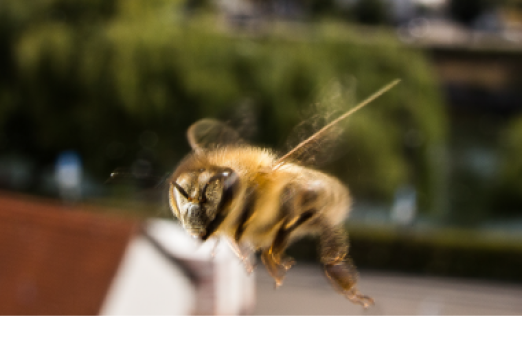
The Bee-friendly city movement is about spreading knowledge on urban beekeeping
BeePathNet Reloaded is about spreading knowledge on urban beekeeping to additional four EU cities that have proven its environmentally friendly
-
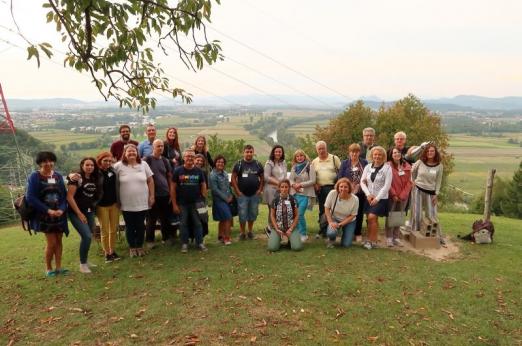
BeePathNet Reloaded Boot Camp
The BeePathNet Reloaded Boot Camp was a five-day intensive training opportunity. The BeePathNet Reloaded partners Ljubljana (lead partner), Bansko
-
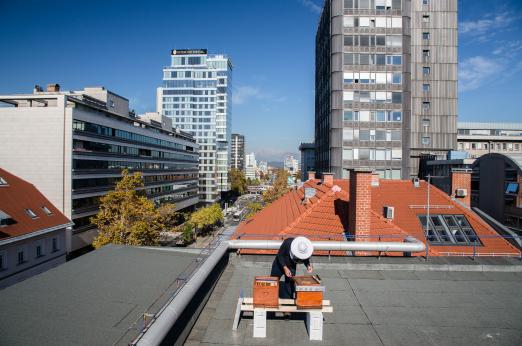
Upgrading environmentally friendly orientation of four EU cities with urban beekeeping principles
BeePathNet Reloaded is about spreading knowledge on urban beekeeping to additional four EU cities that have proven its environmentally friendly