04/04/2018 06/04/2021
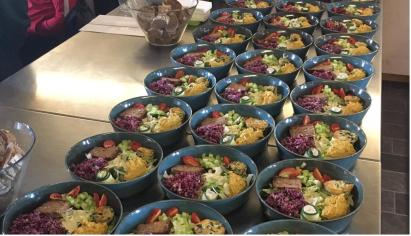
BioCanteens Transfer Network is about ensuring the distribution of sustainable school meals in participating cities as a key lever towards the development of an integrated local agri-food approach, protecting both citizens’ health and the environment. The project aims to transfer Mouans-Sartoux’s Good Practice in the field of collective school catering, to other highly committed cities across Europe. Mouans-Sartoux’s Good Practice is based on the daily distribution of meals that are 100% organic and mostly composed of local products, the drastic reduction of food waste thereby fully compensating the higher cost of switching to organic products, and the organisation of dedicated educational activities to raise children’s awareness about sustainable food.
Summary
Partners
Lead Partner : Mouans-Sartoux - France- LAG Pays des Condruses - Belgium
- Rosignano Marittimo - Italy
- Vaslui - Romania
- Torres Vedras - Portugal
- Troyan - Bulgaria
- Trikala - Greece
Timeline
Kick-off meeting
Transfer Period
End of Transfer Period + Sharing Period

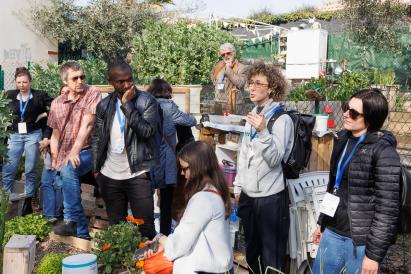
Food Education workshop in Pays des Condruses
Network Outputs
-
BioCanteens Transfer Lessons(PDF, 72Mo)
-
BioCanteens Food Sovereignty Posters(PDF, 8Mo)
Micro Good Practices
-
BioCanteens Kitchen Micro Good Practices(PDF, 4Mo)
-
BioCanteens Food Education Micro Good Practices(PDF, 10Mo)
Integrated Action Plans


Stories
-
BluAct - Starting Up the Blue Economy
BluAct network initiated its works during Spring of 2018, and has been awarded with the EEPA 2018 “Promoting the Entrepreneurial Spirit” award. Phase
-
Find the courage to start implementing innovative solutions for our own city! A story from Salerno, Italy.
The suggestion I can give to the other European cities from this experience is: being in contact with cities that have already made successful
-
Transfer Story: Galati Romania
The Municipality built a strong URBACT Local Group, comprising members from Universities, the River Authority, NGO’s, public bodies and port-based